
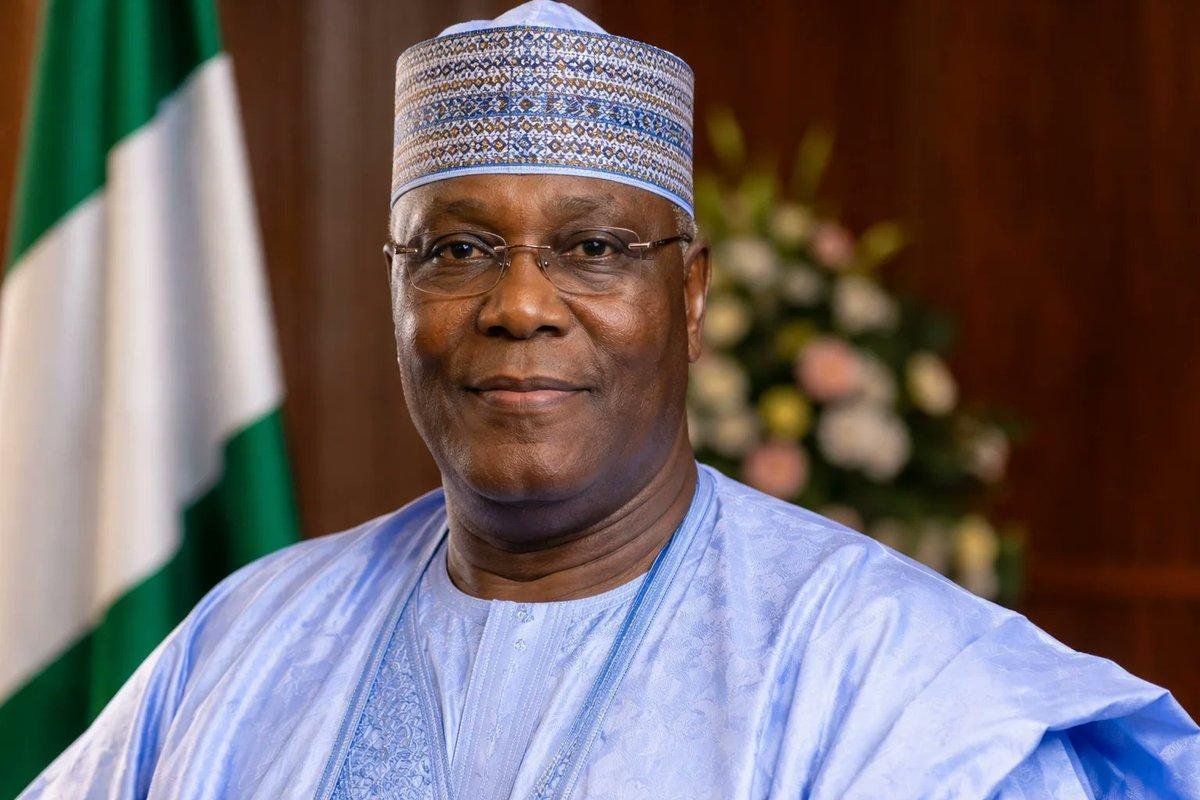
Atiku, PDP and Peter Obi Raise Alarm Over Alleged Plot Against Opposition Ahead of 2027 Elections
Nigeria Politics | November 5, 2026 | TrendPeels
Nigeria’s political atmosphere has entered another tense period as opposition leaders raise concerns about alleged intimidation, political interference and attempts to weaken rival parties ahead of the 2027 general elections.
Former Vice-President Atiku Abubakar, the Peoples Democratic Party (PDP) and the media office of former Anambra State Governor Peter Obi have separately expressed concerns about the political environment, with particular attention to the ability of opposition parties to organise, campaign and compete freely.
Atiku criticised President Bola Ahmed Tinubu’s administration, arguing that the government should concentrate on addressing hunger, poverty and insecurity instead of focusing on political opponents.
The PDP, meanwhile, accused some political actors of intimidating its members and candidates, particularly in Ebonyi State. The party also announced plans to petition security agencies over the alleged incidents.
Similarly, Peter Obi’s media office warned against alleged attempts by some governors to manipulate the 2027 elections, insisting that Nigerians should be allowed to determine their leaders through credible voting.
However, the political developments took another significant turn on November 5, when a Federal High Court in Abuja nullified the leadership of the African Democratic Congress (ADC) led by former Senate President David Mark and invalidated decisions taken under that leadership, including the process that produced Atiku as the party’s presidential candidate.
The ruling has introduced fresh uncertainty into the opposition’s preparations for the 2027 elections.
While the allegations raised by opposition figures require independent investigation, the developments have brought important questions about political freedom, party stability and electoral credibility back into Nigeria’s national conversation.
Atiku Abubakar Accuses Tinubu’s Government of Focusing on Opposition Instead of Hunger
Former Vice-President Atiku Abubakar has criticised President Bola Tinubu’s administration over what he considers misplaced political priorities, arguing that the government should concentrate on improving the living conditions of Nigerians rather than weakening opposition parties.
Atiku reportedly made the remarks during a press conference at his residence in Abuja on November 4, 2026.
During the briefing, the former Vice-President expressed concern about the economic difficulties facing Nigerians, particularly hunger, poverty, insecurity and the rising cost of living.
He argued that many citizens were struggling to meet their basic needs while businesses continued to experience difficulties because of the country’s economic conditions.
According to Atiku, the Federal Government should direct more attention towards addressing these problems instead of concentrating on political opponents ahead of the next general elections.
His comments came amid growing political realignments and disagreements among political parties preparing for the 2027 presidential contest.
Atiku also raised concerns about alleged attacks and intimidation involving opposition figures, suggesting that political competition should not become an excuse for threatening individuals who hold different political opinions.
His criticism reflects a wider concern among opposition politicians about whether Nigeria’s political environment will allow different parties to operate freely as election preparations intensify.
However, Atiku’s accusations should be distinguished from independently established facts. His statements do not, on their own, prove that President Tinubu personally ordered or directed attacks against opposition politicians.
The Presidency and the ruling All Progressives Congress should have an opportunity to address the specific allegations.
PDP Raises Alarm Over Alleged Harassment and Attacks Against Members
The Peoples Democratic Party has also raised concerns about alleged intimidation, harassment and attacks against its members and political candidates ahead of the 2027 elections.
The party’s State Chairmen Forum, led by Austin Nwachukwu, brought the matter to public attention during a meeting involving the PDP National Working Committee and state chairmen in Abuja.
Nwachukwu, who is also the Imo State PDP chairman, accused some political actors of creating an unfriendly environment for opposition candidates.
He specifically raised concerns about Ebonyi State, where he alleged that PDP members and candidates had experienced intimidation, arrests and harassment under the administration of Governor Francis Nwifuru.
According to reports, the PDP chairman said the State Chairmen Forum had visited Ebonyi State to assess complaints from party members and intervene in the situation.
He also alleged that some party members had been prevented from participating freely in political activities.
Nwachukwu disclosed that the forum intended to bring the complaints before the Inspector-General of Police, Tunji Disu, and other relevant security agencies.
The party wants the authorities to investigate the allegations and ensure that opposition politicians can participate in political activities without fear.
In a separate interview reported by Premium Times, Nwachukwu made further allegations concerning the treatment of PDP candidates and supporters in Ebonyi State.
He claimed that some party members had been detained, while others had experienced threats and restrictions on their political activities.
These are serious allegations that require independent investigation.
It is important to note that allegations against Governor Francis Nwifuru and other political actors should not be treated as proven wrongdoing without supporting evidence and an opportunity for those accused to respond.
The PDP’s concerns nevertheless highlight the importance of protecting political participation, especially as candidates and parties begin preparing for the next general elections.
A credible election requires an environment in which candidates can campaign, hold meetings and communicate with voters without unlawful intimidation.
Peter Obi’s Media Office Warns Against Alleged Electoral Manipulation
Former Anambra State Governor Peter Obi has also become part of the growing political discussion following concerns raised by his media office about the credibility of the 2027 general elections.
In a statement signed by the spokesperson of the Peter Obi Media Office, Indris Zekeri Jnr, the office warned against alleged attempts by some governors to manipulate the electoral process.
The statement was titled Nigerians Will Choose the Best Product in the Marketplace.
It argued that political leaders should present their records of performance and achievements rather than allegedly resorting to intimidation, electoral manipulation and political manoeuvring to retain power.
The media office maintained that political leadership should be earned through service to the people and should not be treated as an entitlement.
It also warned that the 2027 elections would represent an important moment for Nigeria’s democracy.
According to the statement, Nigerians should have the freedom to determine the country’s political direction through their votes.
The media office further presented Peter Obi as a political alternative, highlighting what it described as his commitment to competence, character, compassion and responsible leadership.
However, the statement did not identify the governors allegedly involved or provide specific evidence of the reported plans.
Consequently, the allegations should be understood as the position of Peter Obi’s media office rather than independently established evidence of an organised plan to manipulate the elections.
The concerns nevertheless raise an important issue about the responsibility of political leaders to respect electoral institutions and the rights of voters.
Regardless of political affiliation, Nigerians should be able to participate in elections without threats, coercion or interference with their constitutional rights.
Court Nullifies David Mark-Led ADC Leadership and Atiku’s Presidential Ticket
One of the most significant developments in Nigeria’s opposition politics occurred on November 5, 2026, when a Federal High Court in Abuja nullified the leadership of the African Democratic Congress led by former Senate President David Mark.
The judgment, delivered by Justice Peter Lifu, declared the Mark-led caretaker committee illegal and invalidated decisions taken under its leadership.
These decisions included the process that produced Atiku Abubakar as the ADC’s presidential candidate for the 2027 general elections.
The court also nullified the emergence of former Osun State Governor Rauf Aregbesola as the party’s national secretary, alongside other decisions and nominations made under the disputed leadership.
The case followed a suit filed by Nafiu Bala Gombe, a former ADC National Deputy Chairman for the North-East.
Gombe challenged the process through which David Mark and other members of the caretaker committee assumed control of the party.
He argued that following the resignation of the former national chairman, Ralph Nwosu, he was constitutionally entitled to assume the party’s leadership.
The dispute was brought before the Federal High Court under suit number FHC/ABJ/CS/1819/2025.
In its judgment, the court upheld the plaintiff’s claims and granted the reliefs sought.
The ruling represents a major setback for the ADC’s preparations for the 2027 elections, particularly because Atiku had already emerged as its presidential candidate and selected former Rivers State Governor Rotimi Amaechi as his running mate.
The development also raises questions about the status of the party’s earlier candidate nominations and its preparations for the next general elections.
However, the ruling should not be confused with the final resolution of every legal dispute involving the party. The ADC has indicated that it will challenge the judgment at the Court of Appeal.
Until the appeal process and any further court proceedings are resolved, the party’s political position remains subject to legal uncertainty.
For Atiku, the immediate challenge is how the ruling will affect his presidential ambition and the opposition coalition’s wider plans for 2027.
Why These Developments Matter to Nigeria’s Opposition Parties
The concerns raised by Atiku, the PDP and Peter Obi’s media office come at a time when opposition politicians are attempting to strengthen their political structures ahead of the 2027 elections.
Political parties need stable leadership, effective communication and organised grassroots structures to compete successfully.
However, allegations of intimidation, internal disagreements and unresolved court cases can make political organisation more difficult.
For the ADC, the November 5 judgment introduces another major legal challenge at a time when its presidential campaign preparations had already begun.
The PDP also faces the responsibility of addressing its internal disagreements while ensuring that its members and candidates can participate in political activities.
Peter Obi’s political platform and supporters, meanwhile, will need to focus on building structures capable of turning public support into effective electoral participation.
These developments demonstrate that opposition parties face challenges both within their organisations and in the wider political environment.
Nevertheless, political competition should be based on policies, leadership records and the confidence of voters rather than intimidation or unlawful interference.
What Should Nigerians Expect Ahead of the 2027 Elections?
As Nigeria moves closer to the 2027 general elections, citizens will be paying greater attention to the activities of political parties, presidential candidates and electoral institutions.
The coming months will be important for opposition parties as they attempt to resolve leadership disputes, organise their campaigns and communicate their political programmes to Nigerians.
The ruling APC will also face the responsibility of demonstrating its commitment to a democratic environment where opposition parties can operate freely.
For ordinary Nigerians, the most important issues should remain the economy, unemployment, insecurity, education, healthcare, electricity and the cost of living.
Political leaders should explain how their policies will address these challenges instead of allowing political disagreements to distract from the issues affecting citizens.
The Independent National Electoral Commission (INEC), security agencies and the judiciary will also have important responsibilities in protecting the integrity of the electoral process.
Ultimately, a credible election requires more than political promises. It requires transparent procedures, impartial institutions, peaceful participation and respect for the choices made by voters.
Conclusion: Will Opposition Parties Have a Fair Opportunity in 2027?
The concerns raised by Atiku Abubakar, the Peoples Democratic Party and Peter Obi’s media office have brought renewed attention to political freedom and electoral credibility ahead of Nigeria’s 2027 general elections.
While Atiku has criticised Tinubu’s administration over economic hardship and alleged attempts to weaken opposition parties, the PDP has raised concerns about reported intimidation and attacks against its members and candidates.
Peter Obi’s media office has also warned against alleged attempts by some governors to manipulate the coming elections.
The situation has become more complicated following the Federal High Court judgment that nullified the David Mark-led ADC leadership and the process that produced Atiku as the party’s presidential candidate.
Although the ADC has indicated its intention to appeal, the ruling has introduced fresh uncertainty into the opposition’s preparations.
Beyond the political personalities involved, Nigerians have a legitimate interest in ensuring that every political party can participate in the democratic process within the law.
Serious allegations must be investigated, court decisions must be respected while lawful appeals are pursued, and political leaders must be held accountable for their actions.
Nigeria’s democracy belongs to its citizens, not any individual political party.
As the 2027 elections approach, the biggest question is whether the country’s political institutions can guarantee a peaceful, transparent and credible process in which every eligible voter can freely choose their preferred candidate.
What is your opinion? Do you believe opposition parties will have a fair opportunity to compete in Nigeria’s 2027 elections? Share your thoughts respectfully in the comments section.
Sources and Further Reading
The following publications provide additional reporting on the developments discussed in this article:
- The Guardian – Atiku, PDP, Obi Raise Alarm Over Alleged Plot to Weaken Opposition
- Channels Television – PDP Petitions IGP Over Alleged Harassment and Killing of Members in Ebonyi
- Premium Times – PDP State Chairpersons’ Leader Alleges Intimidation and Harassment of Candidates
- THISDAY – Peter Obi Warns Governors Against Electoral Manipulation
- Channels Television – Court Sacks Mark-Led ADC Executives, Voids Atiku’s Candidacy
- Punch Newspapers – Court Sacks Mark-Led ADC NWC, Nullifies Atiku’s Candidacy
Editorial Note
TrendPeels distinguishes between verified information, public statements, political allegations and editorial analysis. Allegations made by political figures are attributed to their sources and are not presented as proven facts without independent evidence.
We aim to provide accurate, balanced and responsible reporting. Where new court decisions, official responses or verified developments emerge, this article may be updated to reflect them.