Please Add Preloader

2026

VeryDarkMan Dares Pastor Ibiyeomie Over Controversial Curse Claims

VeryDarkMan Dares Pastor David Ibiyeomie to Curse Him as Controversy Sparks Reactions Across Nigeria

Social media activist VeryDarkMan has challenged Salvation Ministries founder, Pastor David Ibiyeomie, following the cleric’s controversial remarks about cursing people who offend him. The confrontation has sparked fresh discussions about religious authority, freedom of expression and the relationship between pastors and their critics.

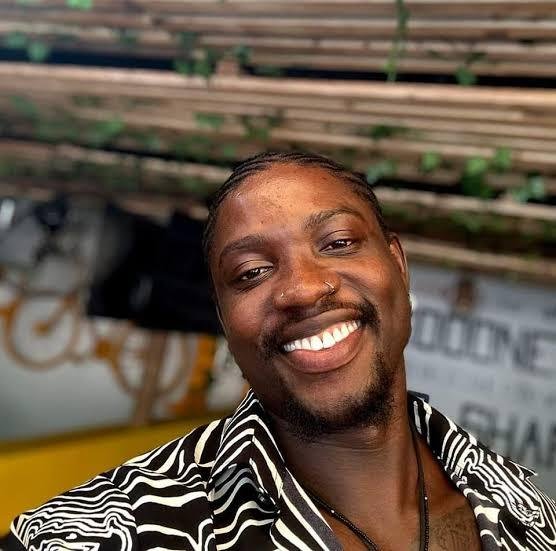
Nigeria’s social media space has been buzzing following a fresh confrontation between popular internet personality Martins Vincent Otse, widely known as VeryDarkMan (VDM), and the founder of Salvation Ministries, Pastor David Ibiyeomie.

The disagreement started after a video of Pastor Ibiyeomie circulated online, showing the cleric making strong statements about what happens to people who offend or challenge him.

In the video, the pastor claimed that anyone he curses becomes useless for the rest of their life. His remarks quickly attracted attention, particularly among social media users who questioned the meaning and implications of such a declaration.

VeryDarkMan subsequently reacted to the video, openly challenging the pastor to identify people he had allegedly cursed. The activist also dared the cleric to direct the same curse towards him.

The exchange has generated considerable discussion, with Nigerians expressing different opinions about the statements made by both personalities.

The controversy, which gained attention on November 1, 2026, has become another major talking point involving a popular Nigerian activist and an influential religious leader.

What Pastor David Ibiyeomie Said About Cursing His Critics

The controversy began after a video of Pastor David Ibiyeomie surfaced online.

In the recording, the Salvation Ministries founder spoke about people who offend or attempt to trouble him. He suggested that he possesses the spiritual authority to pray against those who challenge him, claiming that such individuals could become useless for life.

According to reports, the pastor declared that people who had previously received his curses were no longer doing well.

He also challenged people to investigate the condition of those he claimed to have cursed.

The statement attracted attention because of the strong language used by the cleric while addressing his critics.

For many Nigerians, the remarks raised questions about the responsibility of religious leaders when speaking to large congregations.

Pastor Ibiyeomie is one of Nigeria’s prominent Christian ministers and the founder of Salvation Ministries, a church headquartered in Port Harcourt, Rivers State.

His statements therefore attracted attention beyond his immediate congregation, particularly because of his influence within Nigeria’s Christian community.

VeryDarkMan Reacts and Challenges the Pastor

Following the circulation of the pastor’s remarks, VeryDarkMan released a response questioning the cleric’s declaration.

The social media activist challenged Ibiyeomie to publicly identify the people he claimed to have cursed.

VDM argued that religious leaders should not make statements that create fear among their followers or discourage people from questioning them.

In his reaction, he challenged the pastor to name the social media personalities he had allegedly cursed.

He also questioned the idea that a religious leader could determine another person’s future through declarations of curses.

The activist did not stop at questioning the pastor’s statement. He went further by daring Ibiyeomie to direct the alleged curse towards him.

His reaction quickly became another subject of discussion across Nigerian social media platforms.

For VDM, the issue was not simply about a disagreement with a pastor. He used the opportunity to question what he considers the misuse of religious influence.

VDM Accuses Some Pastors of Using Fear to Influence Church Members

Beyond his direct confrontation with Pastor Ibiyeomie, VeryDarkMan also used the opportunity to discuss what he considers a wider problem within some religious communities.

The activist accused certain religious leaders of making their followers believe that pastors possess supernatural powers that ordinary people cannot question.

According to VDM, such statements can create unnecessary fear, particularly among older people and parents who may believe that speaking against a pastor could bring misfortune upon them or their families.

He suggested that religious leaders should encourage people to understand their faith rather than make them afraid of questioning certain declarations.

VDM also questioned the practice of some pastors allegedly threatening church members with hardship when they fail to pay tithes and offerings.

He referenced biblical teachings about blessing people who persecute believers rather than cursing them.

His argument was that religious leaders should demonstrate the values they teach their followers.

However, these are VDM’s personal allegations and opinions. They should not be treated as independently established facts about Pastor Ibiyeomie or other religious leaders.

VDM Questions Pastor Ibiyeomie’s Alleged One Million Dollar Donation

Another interesting part of the disagreement involved an alleged claim that Pastor Ibiyeomie once gave God one million dollars.

VeryDarkMan questioned the claim and challenged the pastor’s account of the alleged donation.

The activist raised questions about the circumstances surrounding the reported donation, including the pastor’s financial position at the time.

This added another dimension to the controversy, moving the discussion beyond the issue of curses and into questions about financial claims made by religious personalities.

However, the allegation concerning the one million dollar donation has not been independently established in the reports reviewed for this article.

It is therefore important to distinguish between what VDM alleged and what has been independently verified.

Nigerians React to the Exchange Between VDM and Pastor Ibiyeomie

As expected, the disagreement attracted reactions from Nigerians across social media.

Some users supported VeryDarkMan, arguing that influential religious leaders should be open to questions and criticism.

Others criticised the activist’s approach, maintaining that disagreements involving religious leaders should be handled with respect.

Some social media users also questioned the pastor’s choice of words, arguing that religious leaders should be careful when making statements that could be interpreted as threats against people who disagree with them.

Others defended the pastor, suggesting that his comments should be understood within the context of his religious beliefs and spiritual convictions.

The different reactions demonstrate how sensitive conversations involving religion can become in Nigeria.

Religion remains an important part of everyday life for millions of Nigerians. Consequently, statements made by influential pastors often attract attention far beyond the walls of their churches.

The disagreement has also renewed conversations about the relationship between religious authority and freedom of expression.

Who Is VeryDarkMan?

VeryDarkMan, whose real name is Martins Vincent Otse, is a Nigerian social media activist and internet personality known for his outspoken views on social issues.

He became widely recognised for making videos addressing alleged misconduct, social injustice, celebrity controversies and issues involving public figures.

His communication style is direct and often controversial, making him one of the most discussed personalities in Nigeria’s online entertainment and social commentary space.

Over the years, VDM has confronted celebrities, business personalities, religious figures and other influential Nigerians over issues he believes deserve public attention.

His supporters often describe him as someone willing to question powerful individuals. However, his critics argue that his approach can sometimes be confrontational.

Regardless of the different opinions surrounding him, his ability to generate public conversations has made him a prominent personality in Nigeria’s social media environment.

Who Is Pastor David Ibiyeomie?

Pastor David Ibiyeomie is the founder and senior pastor of Salvation Ministries, a Christian church headquartered in Port Harcourt, Rivers State.

He is a prominent Nigerian preacher known for his teachings on faith, prosperity, prayer and Christian living.

Through Salvation Ministries, he has built a large religious following, with church activities and programmes attracting worshippers from different parts of Nigeria and beyond.

His influence within the Christian community means that his public statements often attract significant attention.

The latest controversy involving VeryDarkMan has therefore placed his remarks under public scrutiny, with Nigerians debating the responsibilities that come with religious leadership.

What Happens Next?

One major question Nigerians are asking is whether Pastor David Ibiyeomie will respond directly to VeryDarkMan’s challenge.

As of November 3, 2026, the reports reviewed establish VDM’s challenge and the pastor’s earlier remarks, but do not establish a direct response from Ibiyeomie to the challenge.

The disagreement could continue to attract attention, particularly if either personality makes another public statement.

For now, the discussion remains focused on the pastor’s comments about cursing critics and VDM’s decision to challenge those claims publicly.

It is also important to remember that claims about the supernatural consequences of curses cannot be established simply through social media arguments.

Conclusion

The confrontation between VeryDarkMan and Pastor David Ibiyeomie has once again demonstrated how quickly disagreements involving influential Nigerians can become major online discussions.

While VDM believes religious leaders should be questioned when their statements attract public attention, others believe criticism should be expressed with greater respect, particularly when religious beliefs are involved.

Beyond the personalities, the controversy raises important questions about religious leadership, freedom of expression and accountability.

Whether Pastor Ibiyeomie will respond to VDM’s challenge remains to be seen. However, the disagreement has already generated significant public interest and is likely to remain a subject of conversation among Nigerians.

What is your opinion? Was VeryDarkMan right to challenge Pastor Ibiyeomie, or should he have approached the matter differently? Share your thoughts in the comments.

Nathaniel Bassey Hits 1 Billion YouTube Views, Makes African Gospel History

Nathaniel Bassey Makes History as First African Gospel Artist to Surpass 1 Billion YouTube Views

A remarkable milestone for Nigerian gospel music as the renowned worship leader’s official YouTube channel crosses 1.014 billion views, attracting more than 5.24 million subscribers.

By TrendPeels Editorial Team | November 2, 2026

Nigeria’s gospel music industry has recorded another remarkable achievement as renowned gospel singer, pastor and worship leader Nathaniel Bassey surpasses one billion views on YouTube. The milestone places the Nigerian gospel minister among the most influential gospel music personalities on the African digital entertainment scene and highlights the growing international appreciation of African gospel music.

According to figures displayed on his official YouTube channel, Nathaniel Bassey Main, the channel had accumulated more than 1.014 billion total views and approximately 5.24 million subscribers as of November 1, 2026. The achievement has been widely reported as a first for an African gospel artist, making it a significant moment for Nigeria’s gospel music community.

What makes the achievement particularly interesting is that it comes more than 15 years after the creation of his YouTube channel in March 2011. Over the years, Bassey has built a strong digital audience through gospel music, worship recordings, live ministrations and online prayer gatherings.

His achievement is also drawing attention because it coincides with the growing international popularity of the Hallelujah Challenge, an online prayer and worship programme that has connected thousands of Christians across different countries.

For many Nigerians, the development is more than a social media milestone. It represents the growing influence of gospel music, the power of digital platforms and the ability of Nigerian Christian musicians to reach audiences beyond traditional church settings.

Nathaniel Bassey’s YouTube Channel Crosses 1 Billion Views

The announcement of Nathaniel Bassey’s achievement has generated excitement among gospel music lovers and his followers across social media.

His official YouTube channel, Nathaniel Bassey Main, reportedly crossed the one-billion-view mark in the final days of October 2026. Available channel statistics showed that the platform had recorded approximately 1,014,544,577 total views, with its subscriber count reaching about 5.24 million.

The numbers reflect years of consistent musical releases, worship sessions and online ministry activities.

Unlike entertainment personalities whose online popularity is driven mainly by comedy, celebrity appearances or viral controversies, Bassey’s YouTube audience has largely developed around gospel music and Christian worship content.

His channel provides access to several worship songs, live performances, prayer sessions and other spiritual materials that continue attracting viewers long after their original publication.

The achievement also demonstrates how YouTube has become an important platform for gospel musicians seeking to connect with audiences outside their immediate geographical locations.

A worship session recorded in Nigeria can now reach Christians in the United Kingdom, United States, Canada, South Africa and several other countries without requiring the minister to travel physically to those locations.

This growing accessibility has helped gospel music develop a stronger international audience, with Bassey becoming one of the Nigerian ministers benefiting from the opportunities created by digital media.

The Hallelujah Challenge and Its Contribution to His Growing Popularity

One of the major developments associated with Nathaniel Bassey’s digital influence is the Hallelujah Challenge.

Founded in 2017, the Hallelujah Challenge started as an online prayer and worship gathering. The initiative brought people together through midnight sessions of praise, worship and prayer, allowing participants to connect through social media and digital platforms.

What initially began as a relatively simple online gathering gradually developed into an international Christian worship movement.

Participants from different parts of the world joined the sessions, singing, praying and sharing testimonies. The programme also attracted people who might never have had the opportunity to attend a physical worship gathering led by Bassey.

Over time, recordings of the sessions became available to people who could not participate during the live broadcasts.

This meant that the programme’s influence extended beyond the hours when the sessions were originally streamed.

The Hallelujah Challenge has become an important part of Bassey’s public identity, helping him connect with a wider audience beyond traditional gospel music listeners.

Its growing popularity also demonstrates how religious organisations and ministers can use digital platforms to build communities that operate across national borders.

For many participants, the programme provides an opportunity to maintain a consistent spiritual routine while connecting with other Christians who share similar beliefs.

The October 2026 edition coincided with the period during which Bassey’s YouTube channel crossed the billion-view milestone, adding another layer of significance to the achievement.

However, the milestone should not be attributed exclusively to the Hallelujah Challenge. His wider music catalogue, worship recordings and other channel content have also contributed to the overall view count.

The Gospel Songs That Helped Build His Digital Audience

Beyond the Hallelujah Challenge, Nathaniel Bassey’s music catalogue has played an important role in establishing his reputation among gospel music audiences.

Over the years, he has released several songs that have become familiar in Nigerian churches and Christian gatherings. Some of his most recognised songs include Imela, Onise Iyanu, Olowogbogboro and You Are God.

These songs have remained popular among worshippers because of their messages of gratitude, praise, faith and devotion.

Imela, which expresses thanksgiving, is particularly familiar to many Nigerian gospel music lovers. Its message of appreciation has made it a favourite during church services, personal worship sessions and Christian celebrations.

Onise Iyanu is another widely recognised song associated with Bassey. The song celebrates God’s miraculous works and has continued to attract listeners who appreciate music centred on faith and testimony.

Meanwhile, Olowogbogboro has also maintained a strong presence in Nigerian Christian worship circles. Its popularity demonstrates how gospel songs can become part of people’s personal spiritual experiences rather than simply serving as entertainment.

You Are God is another important title in his musical catalogue, reflecting the worship-focused approach that has characterised much of his ministry.

The continued interest in these songs has helped create a lasting digital presence for the gospel minister. Unlike content that attracts attention for a few days before disappearing from public conversation, worship music can remain relevant for years because people repeatedly return to it for personal devotion and corporate worship.

This continuing interest contributes to the long-term growth of a musician’s digital audience.

Who Is Nathaniel Bassey?

Nathaniel Bassey is a Nigerian gospel singer, trumpeter, songwriter, music producer and pastor who has become an influential figure in contemporary African gospel music.

He is particularly recognised for combining musical talent with Christian ministry, creating songs and worship experiences that appeal to audiences across different generations.

His musical identity is closely associated with worship, praise and the use of instruments, particularly the trumpet.

Over the years, he has developed a reputation for producing music that encourages listeners to focus on their faith and spiritual relationship with God.

His work extends beyond the traditional boundaries of gospel music performance. Through live ministrations, recordings and online worship programmes, he has built a ministry that reaches people through several different platforms.

His position as a pastor has also influenced the direction of his public ministry, allowing him to combine music with teaching, prayer and spiritual encouragement.

For many of his followers, this combination is part of what makes his ministry distinctive.

Rather than limiting his activities to album releases and stage performances, Bassey has continued to explore ways of using technology to make worship accessible to people regardless of their location.

His billion-view achievement provides an indication of how successfully this approach has connected with a large international audience.

Why One Billion YouTube Views Is a Significant Achievement

Reaching one billion YouTube views is a major accomplishment for any content creator, musician or entertainment personality.

For a gospel musician, however, the achievement carries an additional significance because it highlights the growing audience for Christian music in an entertainment industry where secular genres often receive considerable commercial attention.

For years, Afrobeats has dominated much of the international conversation surrounding Nigerian music. Nigerian artists have continued to attract global recognition through international collaborations, streaming platforms, concerts and major music festivals.

However, gospel music has also been expanding its international presence, although its growth often receives less mainstream entertainment coverage.

Nathaniel Bassey’s achievement brings attention to this development.

It demonstrates that gospel music can attract enormous digital audiences when supported by consistent releases, meaningful content and a strong relationship between musicians and their listeners.

It also challenges the assumption that online entertainment success must depend on controversial content, celebrity gossip or viral dance trends.

Bassey’s achievement shows that audiences are willing to spend significant amounts of time watching and listening to content that serves their spiritual interests.

Another important factor is the accessibility of YouTube.

Unlike traditional music distribution channels, which may require physical distribution arrangements and access to particular markets, YouTube allows musicians to publish content that can be accessed internationally.

This has created opportunities for Nigerian gospel musicians to reach audiences beyond the country without depending entirely on international record labels or traditional media organisations.

For emerging gospel artists, the achievement offers an example of how consistent digital engagement can contribute to long-term growth.

Nathaniel Bassey’s Decision Not to Monetise the Hallelujah Challenge

Another aspect of the gospel minister’s online activities that has attracted public attention is his reported position on monetising the Hallelujah Challenge.

As the programme has grown, some followers and observers have questioned whether its enormous online audience could generate substantial advertising revenue.

However, reports indicate that Bassey has maintained that the programme is primarily intended for worship and spiritual devotion rather than commercial gain.

In November 2025, he reportedly addressed questions about monetisation during a worship session, explaining that he would not monetise the programme because he had not received what he considered divine instruction to do so.

His position generated conversations among social media users, particularly those who believe that online platforms provide opportunities for ministries to generate revenue and support their activities.

Others appreciated his decision, arguing that maintaining the programme’s original spiritual purpose should remain the priority.

The discussion highlights an interesting relationship between faith, technology and commercial opportunities.

Today, digital platforms provide churches, religious organisations and gospel musicians with opportunities to reach millions of people. These platforms can also create financial opportunities through advertising, subscriptions, sponsorships and other arrangements.

However, individual ministers and organisations may have different approaches to how such opportunities should be handled.

In Bassey’s case, reports about his position suggest that he wants the Hallelujah Challenge to remain focused on its spiritual purpose.

It is important to distinguish the programme’s monetisation position from the monetisation status of every other video or activity on his YouTube channel. The two should not automatically be treated as identical.

Social Media Reactions as Nathaniel Bassey Makes History

The news of Nathaniel Bassey’s billion-view achievement has generated excitement among gospel music lovers and social media users.

Many followers have celebrated the milestone as an important achievement for Nigeria and African gospel music.

For his supporters, the development represents the outcome of years of dedication to music and ministry.

Some have also highlighted the importance of the Hallelujah Challenge, pointing to its growth as an example of how social media can be used to create positive communities around shared interests and beliefs.

The achievement has also attracted attention because it offers a different kind of entertainment headline.

While celebrity news frequently focuses on relationships, controversies, expensive lifestyles and disagreements, Bassey’s milestone provides an opportunity to celebrate an achievement built around music, worship and digital engagement.

It also gives Nigerian gospel music another reason to attract international attention.

Although individual reactions vary, the overall significance of the development extends beyond the celebrations of his immediate followers.

It places the growth of African gospel music within a wider conversation about the global reach of Nigerian creative content.

What Nathaniel Bassey’s Achievement Means for African Gospel Music

The one-billion-view milestone could become an important reference point for the future development of African gospel music.

Nigeria has a large Christian population and an established gospel music industry featuring singers, worship leaders, instrumentalists, producers and songwriters.

The industry has produced numerous musicians whose songs are regularly performed in churches and Christian gatherings across the country.

However, the international visibility of gospel music does not always receive the same attention as other Nigerian entertainment exports.

Bassey’s achievement provides a measurable indication of the audience that African gospel music can attract through digital platforms.

It also reinforces the importance of building a recognisable musical identity.

His success has not depended solely on releasing songs. His online worship sessions, consistent digital presence and relationship with his audience have contributed to the development of a wider ministry.

For upcoming gospel musicians, this offers an important lesson about the changing nature of the music industry.

An artist can now develop an audience through several digital channels, including YouTube, Instagram, Facebook, TikTok and music streaming services.

However, building a sustainable audience requires more than simply uploading videos.

Consistency, originality, audience engagement and the quality of published content remain important factors.

Bassey’s achievement also shows that Nigerian gospel musicians have opportunities to reach international audiences while maintaining their musical and cultural identities.

The milestone may encourage more gospel artists to take digital distribution seriously and explore creative ways of sharing their music with people around the world.

YouTube and the Growing Influence of Nigerian Gospel Ministers

YouTube has transformed the way Nigerians discover and consume gospel music.

In the past, gospel musicians depended heavily on church performances, radio stations, television programmes, physical music distribution and live events to reach audiences.

Although these channels remain relevant, digital platforms have introduced additional opportunities.

Today, a listener can discover a gospel song through a recommendation, share a worship session with friends or return to a recorded prayer programme months after its original broadcast.

This has created a new relationship between gospel musicians and their audiences.

For ministers such as Nathaniel Bassey, digital platforms provide opportunities to maintain engagement beyond physical church gatherings and concert performances.

The growth of his official channel also illustrates the importance of searchable and accessible religious content.

A person searching for a particular worship song or prayer session can find relevant material without needing to know when it was originally performed.

This accessibility has helped gospel content develop a longer digital lifespan.

It also allows people living outside Nigeria to remain connected to Nigerian gospel music and worship experiences.

The one-billion-view milestone therefore reflects not only the popularity of an individual musician but also the opportunities available to African religious content creators in the digital age.

The Future of Nathaniel Bassey’s Music and Digital Ministry

Having crossed one billion YouTube views, Nathaniel Bassey now has an even larger digital platform through which to reach gospel music audiences.

His existing catalogue continues to attract listeners, while the Hallelujah Challenge provides an avenue for maintaining connections with people who participate in the online worship programme.

The next stage of his digital journey could involve expanding his international reach, introducing new worship recordings and continuing to develop content that serves his audience.

However, the most important question is how he will maintain the identity and spiritual purpose that have contributed to the growth of his ministry.

For gospel musicians, reaching a large audience is one achievement, but maintaining that audience requires consistency and a genuine connection with listeners.

Bassey’s journey demonstrates that digital influence can grow through a combination of music, ministry and community engagement.

His achievement may also inspire younger gospel musicians to explore digital opportunities without losing sight of the messages and values behind their music.

As more African artists embrace online distribution, the international visibility of Nigerian gospel music could continue to increase.

Conclusion: Nathaniel Bassey’s One Billion Views Is a Victory for Nigerian Gospel Music

Nathaniel Bassey’s achievement of surpassing one billion YouTube views represents a remarkable moment for Nigerian gospel music and the wider African Christian music community.

With his official YouTube channel recording more than 1.014 billion views and approximately 5.24 million subscribers, the gospel minister has demonstrated the extraordinary reach that faith-based music and digital worship content can achieve.

From popular songs such as Imela, Onise Iyanu, Olowogbogboro and You Are God to the international growth of the Hallelujah Challenge, his journey reflects years of musical commitment and digital engagement.

More importantly, the milestone demonstrates that Nigerian gospel music can attract a substantial international audience and compete for attention in an increasingly digital entertainment industry.

While the number of views is impressive, the wider significance lies in the community, inspiration and spiritual connections that his music and ministry have helped create.

For Nigeria, it is another opportunity to celebrate the influence of its creative industry. For African gospel musicians, it is an encouraging example of what consistent dedication and digital accessibility can achieve.

As celebrations continue, Nathaniel Bassey’s billion-view milestone will remain an important moment in the story of Nigerian gospel music.

Congratulations to Nathaniel Bassey on this remarkable achievement.

Zlatan vs VeryDarkMan: INFERNO Lyrics Spark Fresh Online Feud

Zlatan Ibile and VeryDarkMan amid their latest social media controversy over the INFERNO song lyrics.Zlatan Ibile and VeryDarkMan amid their latest social media controversy over the INFERNO song lyrics.Zlatan Ibile and VeryDarkMan amid their latest social media controversy over the INFERNO song lyrics.Zlatan Ibile and VeryDarkMan amid their latest social media controversy over the INFERNO song lyrics.
Zlatan Ibile (left) and VeryDarkMan (right) become the centre of a heated online debate following controversy surrounding Zlatan’s

Spark Fresh Online Controversy as ‘INFERNO’ Lyrics Reignite Old Feud

By TrendPeels Entertainment Desk | October 31, 2026 | Entertainment & Celebrity News

Zlatan Ibile and VeryDarkMan. Photo illustration for TrendPeels.

Meta description: Nigerian rapper Zlatan Ibile and social media activist VeryDarkMan have reignited online controversy following a controversial lyric on INFERNO and VDM’s response targeting the rapper’s wedding and music promotion.

SEO title: Zlatan vs VeryDarkMan: INFERNO Lyrics Trigger Fresh Online Feud

Focus keyphrase: Zlatan and VeryDarkMan controversy

Suggested URL slug: zlatan-verydarkman-inferno-controversy

Zlatan and VeryDarkMan Spark Fresh Online Controversy as ‘INFERNO’ Lyrics Reignite Old Feud

Nigeria’s entertainment industry has witnessed another heated social media exchange after popular rapper Zlatan Ibile and outspoken social media activist VeryDarkMan (VDM) became the centre of a fresh online controversy.

The latest development has attracted widespread attention from music lovers, celebrity followers and social media users following speculation that Zlatan had directed a controversial lyric at VeryDarkMan in a new collaborative song titled INFERNO, featuring Nigerian singer Peruzzi and Shoday.

What initially appeared to be an ordinary music release quickly developed into a trending conversation after listeners began connecting one particular line in Zlatan’s verse to VeryDarkMan, whose real name is Martins Vincent Otse.

The speculation gained momentum when VeryDarkMan responded publicly, taking aim at the rapper’s recent wedding ceremony, music promotion strategy and the attention generated by the song.

His response added another dimension to the controversy, transforming what might have remained a discussion about a song lyric into a wider debate about celebrity relationships, online influence, music publicity and the culture of social media exchanges in Nigeria.

Although Zlatan has not publicly confirmed that the lyric was specifically directed at VeryDarkMan, the timing and wording have left many Nigerians convinced that the rapper may finally be responding to a disagreement that has lingered for years.

The development has once again demonstrated how quickly a few seconds of music can generate a nationwide conversation in Nigeria’s highly active entertainment space.

The lyric that started the conversation

Zlatan Ibile, whose verse on INFERNO has sparked speculation among listeners. Photo: The Sun Nigeria.

The controversy reportedly began after listeners paid close attention to Zlatan’s contribution to INFERNO, a collaborative track featuring Peruzzi and Shoday.

A particular line in the rapper’s verse became the subject of discussion because it mentioned the name Vincent, which happens to be part of VeryDarkMan’s real name.

The lyric that attracted attention was:

“I no be Vincent, I no fit masturbate.”

The line immediately generated interpretations across social media, with listeners suggesting that Zlatan was making a direct reference to the activist.

According to entertainment reports, the reference was widely interpreted as a possible response to the years of tension between the two personalities.

However, it is important to distinguish between public speculation and confirmed information. Zlatan has not explicitly confirmed that the lyric was written specifically for VeryDarkMan.

That distinction has not stopped the discussion from spreading.

For many listeners, the reference was too closely connected to the activist’s name and previous controversies to be dismissed as an ordinary lyric.

Others have argued that mentioning a common first name does not automatically mean a musician is targeting a particular individual.

The debate has therefore moved beyond the song itself, with fans analysing the lyrics, the timing of the release and the personalities involved.

Some supporters have praised Zlatan for apparently responding through music rather than engaging in prolonged online arguments. Others believe that bringing personal disagreements into a song could create unnecessary controversy.

Regardless of the different interpretations, the lyric has succeeded in attracting considerable attention to the collaboration.

VeryDarkMan responds and takes aim at Zlatan’s wedding

Social media activist Martins Vincent Otse, popularly known as VeryDarkMan. Photo: Nollywood Gists.

Rather than allowing the speculation to remain unanswered, VeryDarkMan reportedly responded through a social media video and comments that quickly became another talking point.

The activist did not limit his response to the alleged lyrical reference. Instead, he turned his attention to Zlatan’s music promotion and recent traditional wedding ceremony.

In his response, VDM questioned the attention generated by the rapper’s latest musical project and suggested that the wedding had been used as part of an album promotional strategy.

He also mocked the level of engagement generated by blogs that published content about the wedding.

One of his statements that gained particular attention was:

“Person wey do a whole wedding because he won promote him album, album no blow, wedding no blow.”

The comment generated laughter, criticism and arguments among social media users.

VDM also challenged the song’s performance, saying he would be disappointed if it failed to maintain the number-one position on Apple Music for an entire month.

He questioned whether the publicity surrounding the wedding and the music release had generated the level of engagement expected.

His comments quickly circulated across entertainment blogs, with many users sharing clips and discussing whether the activist had gone too far.

According to reports by TheNiche and Daily Post Nigeria, VDM also questioned the number of comments received by blogs that covered the rapper’s wedding.

TheNiche+1

The response has further intensified the conversation because it brought Zlatan’s personal celebration into an argument that initially revolved around music.

For some observers, the wedding should remain separate from the disagreement. They argue that a person’s marriage is a personal milestone and should not become a weapon in a celebrity exchange.

Others believe that once public figures build their careers around visibility and online influence, their public events naturally become subjects of public discussion.

The exchange has therefore raised questions about the boundaries between entertainment commentary, personal criticism and social media entertainment.

Zlatan’s traditional wedding becomes part of the controversy

Zlatan Ibile and Davita Lamai celebrated their traditional wedding in Lagos on October 24, 2026. Photo: Wedding coverage.

One of the most interesting aspects of the developing controversy is the involvement of Zlatan’s recent traditional wedding to his longtime partner, Davita Lamai.

The couple celebrated their traditional wedding on Saturday, October 24, 2026, in Lagos, attracting several personalities from Nigeria’s entertainment industry.

The ceremony was a major celebrity gathering, with notable entertainers and public figures reportedly in attendance.

Among those spotted at the celebration were Davido, Phyno, Teni, Iyabo Ojo and Fuji music legend K1 De Ultimate.

The event also attracted attention because of the couple’s traditional outfits, which showcased elements of Nigerian cultural fashion, including elaborate coral beads and traditional attire.

Pictures and videos from the occasion circulated widely online, with fans congratulating the couple and celebrating the occasion.

According to reports by Punch Newspapers and other entertainment publications, the wedding attracted considerable interest from the Nigerian entertainment community.

Punch Newspapers+2

However, the wedding later became part of VeryDarkMan’s criticism of Zlatan.

VDM suggested that the ceremony was connected to the promotion of the rapper’s music and questioned whether the publicity had produced the results expected.

It is important to note that this was VDM’s allegation, not an established fact about the couple’s intentions.

There is no verified evidence presented in the reports establishing that Zlatan organised his wedding primarily to promote a musical project.

For many fans, the suggestion was particularly controversial because weddings are significant personal and cultural events.

Some argued that Zlatan deserved to enjoy his marriage without having his celebration dragged into an online disagreement.

Others viewed the comment as another example of VeryDarkMan’s confrontational approach to public figures.

The discussion has also highlighted the growing relationship between celebrity weddings and social media publicity in Nigeria.

Today, major celebrity celebrations are frequently covered by entertainment blogs, influencers, photographers and online publishers.

The resulting publicity can generate millions of views and comments, making celebrity events important moments in the digital entertainment industry.

Nevertheless, whether a wedding generates thousands of comments or millions of views does not necessarily determine its importance to the people getting married.

For Zlatan and Davita, the ceremony remains a personal milestone, regardless of the online arguments surrounding it.

The history behind Zlatan and VeryDarkMan’s disagreement

To understand why this latest development has attracted so much attention, it is necessary to look beyond the controversial lyric.

The tension between Zlatan and VeryDarkMan has roots in conversations that followed the death of Nigerian singer Ilerioluwa Aloba, popularly known as Mohbad, in September 2023.

Mohbad’s death generated nationwide concern and intense public debate about the Nigerian music industry, the treatment of upcoming artists and the circumstances surrounding his death.

The incident triggered widespread demands for transparency and accountability.

VeryDarkMan emerged as one of the outspoken social media personalities commenting on the situation.

He repeatedly called on individuals within Mohbad’s circle to speak about what they knew.

Zlatan’s name became part of the conversation because of his previous association with Mohbad and the questions raised about events surrounding the late singer.

VDM publicly pressured Zlatan to address the matter and reportedly shared alleged audio recordings that he believed were relevant to the discussion.

The activist also criticised what he considered the rapper’s silence.

However, public allegations and online speculation should not be treated as proof of wrongdoing.

There has been no verified finding in the reports cited here establishing that Zlatan was responsible for Mohbad’s death or had committed any crime in connection with the matter.

The distinction is important because the controversy involves real people, reputations and a sensitive tragedy.

While VeryDarkMan continued to express his concerns publicly, Zlatan largely avoided engaging in a prolonged public argument with the activist.

That silence became another subject of discussion among social media users.

Some people believed the rapper was deliberately avoiding unnecessary drama, while others wanted him to respond to the questions being raised.

The apparent lack of a direct public confrontation allowed the disagreement to remain a subject of speculation.

Now, with the emergence of the INFERNO lyric, some fans believe that Zlatan may finally have chosen music as his way of addressing the situation.

Whether that interpretation is correct remains unconfirmed.

What is clear is that the old disagreement has once again become a major topic of entertainment conversation.

Legit.ng – Nigeria news.+2

Why Zlatan’s alleged response through music is attracting attention

Music has always been one of the most effective ways for artists to communicate personal experiences, emotions and disagreements.

Across the global hip-hop community, rappers frequently use lyrics to address rivals, respond to criticism and express their opinions about public figures.

Nigerian street-hop and Afrobeats artists have also adopted this approach.

From humorous punchlines to direct lyrical exchanges, music has become an important part of celebrity conversations.

Zlatan is particularly known for his energetic delivery, street-inspired lyrics, memorable expressions and ability to turn everyday experiences into entertaining music.

His musical identity has helped him build a strong connection with young Nigerian audiences.

For listeners who believe the INFERNO lyric references VeryDarkMan, the song represents a possible change in how the rapper handles the disagreement.

Instead of responding through a lengthy social media statement, he may have decided to express himself through a musical performance.

However, there is another possibility: the lyric may have been written as a general punchline rather than a direct attack on the activist.

This is why the absence of an official explanation from Zlatan matters.

Until the rapper addresses the interpretation, the public cannot conclusively establish the intended target of the line.

Still, the conversation demonstrates how music can generate publicity beyond streaming platforms.

A single controversial lyric can encourage listeners to search for a song, revisit older disagreements and discuss an artist’s work.

In the digital age, these conversations can become part of a song’s promotional life cycle.

For the artists involved, however, there is also a potential downside.

When discussions become centred on controversy rather than musical quality, the original artistic message can become secondary.

The challenge for musicians is to maintain public interest without allowing online disagreements to overshadow their creative work.

Who is Zlatan Ibile?

Zlatan Ibile, whose real name is Omoniyi Temidayo Raphael, is one of Nigeria’s recognised street-pop and Afrobeats performers.

He rose to wider prominence following his participation in the 2014 Airtel One Mic talent competition, which helped introduce him to a larger audience.

His music career gained significant momentum through songs and collaborations that connected with young listeners.

His 2018 hit song Zanku helped popularise the dance movement of the same name and further established his identity within Nigerian street-hop.

Over the years, Zlatan has worked with several major Nigerian artists and built a reputation for energetic performances and memorable musical expressions.

Beyond music, he has also developed business interests, including his record label, Zanku Records, and fashion brand, Zero To The World.

His career has demonstrated an ability to combine music, fashion, entertainment and entrepreneurship.

His album Symbol of Hope also reflected his continued musical development and personal experiences.

A November 2025 feature by The Guardian Nigeria discussed his journey from an aspiring campus performer to an established Afrobeats figure.

The Guardian Nigeria+1

For Zlatan, the latest controversy represents another moment in a career where music and online conversations frequently intersect.

Who is VeryDarkMan?

VeryDarkMan, popularly known as VDM, is a Nigerian social media activist and internet personality whose real name is Martins Vincent Otse.

He became widely recognised for his outspoken commentary on social issues, public accountability, celebrity controversies and matters affecting ordinary Nigerians.

Unlike traditional entertainment influencers whose content primarily focuses on lifestyle and entertainment, VDM has built much of his online identity around confronting public figures and questioning issues he considers important.

His videos frequently generate strong reactions because of his direct communication style and willingness to challenge celebrities, businesspeople and other influential individuals.

Over time, he has become one of the most discussed personalities in Nigeria’s social media environment.

His supporters often praise him for speaking boldly and demanding accountability, while critics argue that his confrontational approach sometimes creates unnecessary controversy.

His disagreements with entertainers have also made him a regular subject of Nigerian entertainment reporting.

The latest exchange with Zlatan is another example of how his online activism and celebrity culture frequently overlap.

Nigerians react as controversy spreads across social media

As expected, the disagreement has generated different reactions from Nigerians, with social media users taking different positions.

Some fans have sided with Zlatan, arguing that the rapper has the right to express himself through music and should not be expected to remain silent whenever his name becomes a subject of online criticism.

Others have supported VeryDarkMan, suggesting that the activist’s response is consistent with his outspoken personality.

There are also people who believe both personalities should move on from the disagreement.

Some online conversations have focused on the humour surrounding VDM’s comments about the wedding and album promotion.

Others have questioned why a personal celebration should become part of a disagreement about a song.

The debate has also generated discussions about the influence of entertainment blogs in determining which celebrity stories receive attention.

Interestingly, the disagreement has created a situation where supporters of both personalities are using social media engagement to defend their preferred public figures.

It is worth noting that comments circulating online represent individual opinions and should not automatically be interpreted as the position of the wider Nigerian public.

Could this controversy benefit INFERNO?

One major question emerging from the disagreement is whether the controversy could help increase attention around INFERNO.

In the modern music industry, public attention is an important part of music promotion.

Artists no longer depend exclusively on radio airplay, television appearances and traditional advertising to introduce new songs.

Social media platforms such as TikTok, Instagram, Facebook and X have become powerful tools for introducing music to new audiences.

A controversial lyric can create curiosity, encouraging people to listen to a song simply to understand what everyone is discussing.

This can potentially translate into increased streams, shares and user-generated content.

For a song featuring established and emerging Nigerian performers, such attention could provide additional exposure.

However, online controversy does not automatically guarantee commercial success.

A song’s long-term performance still depends on its quality, audience acceptance, availability across streaming platforms, promotional strategy and ability to remain relevant after the initial excitement.

VDM’s challenge about maintaining the number-one position on Apple Music for a month has therefore added another interesting dimension to the discussion.

Music fans will be watching whether the track can maintain its popularity beyond the initial social media excitement.

It would be premature to declare the song a commercial success or failure without verified streaming figures and chart data.

The bigger picture: Celebrity culture and social media influence in Nigeria

The Zlatan and VeryDarkMan controversy reflects a wider development in Nigeria’s entertainment industry.

Today, celebrities are no longer separated from their audiences by traditional media structures.

Musicians, actors, influencers and activists communicate directly with followers through their personal social media accounts.

This direct communication has created opportunities for public engagement but has also increased the speed at which disagreements become public spectacles.

A comment made by a celebrity can become a trending topic within minutes.

A short video can generate thousands of reactions, while a controversial song lyric can reopen disagreements that have existed for years.

Entertainment blogs have become important participants in this environment because they help distribute, interpret and amplify conversations taking place across social media.

For publications such as TrendPeels, the challenge is to report these developments accurately without turning speculation into established fact.

There is also a responsibility to distinguish between entertainment, public criticism and allegations that could damage someone’s reputation.

The current disagreement is a good example.

Although many listeners believe Zlatan’s lyric was aimed at VDM, the rapper has not confirmed that interpretation.

Similarly, VDM’s suggestion that the wedding was organised to promote music remains his personal allegation rather than a verified explanation of the couple’s intentions.

Responsible entertainment journalism should preserve these distinctions while still giving readers an engaging account of the story.

What happens next?

The biggest question now is whether Zlatan will respond directly to VeryDarkMan’s latest comments or allow the controversy to settle naturally.

Fans are also waiting to see whether the activist will make another statement and whether the discussion will produce further exchanges between the two personalities.

For now, the controversy remains centred on three major issues: the interpretation of Zlatan’s INFERNO lyrics, VeryDarkMan’s criticism of the rapper’s wedding and music promotion, and the history of disagreements between the two personalities.

Neither the lyrical interpretation nor the alleged promotional intention behind the wedding has been conclusively established.

One thing is certain: the exchange has attracted fresh attention to both personalities and generated another major conversation within Nigeria’s entertainment community.

Whether it develops into a prolonged celebrity feud or ends as another temporary social media controversy remains to be seen.

For music lovers, the most important question may ultimately be whether the music can stand on its own beyond the online drama.

For social media followers, however, the conversation is far from over.

Zulum Rejects NNPC Equipment Relocation from Borno

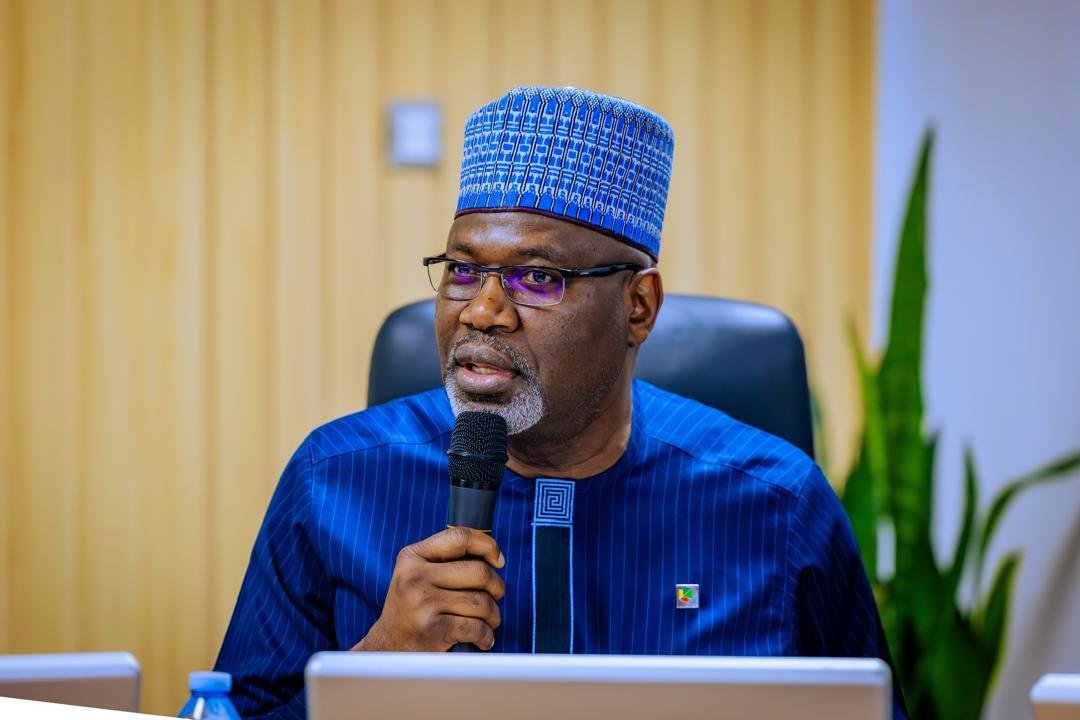
NNPCL Board Chairman Ahmadu Musa Kida during discussions about oil exploration activities in Borno State.
Landscape of the Chad Basin region in Northeast Nigeria, an area of interest for petroleum exploration.


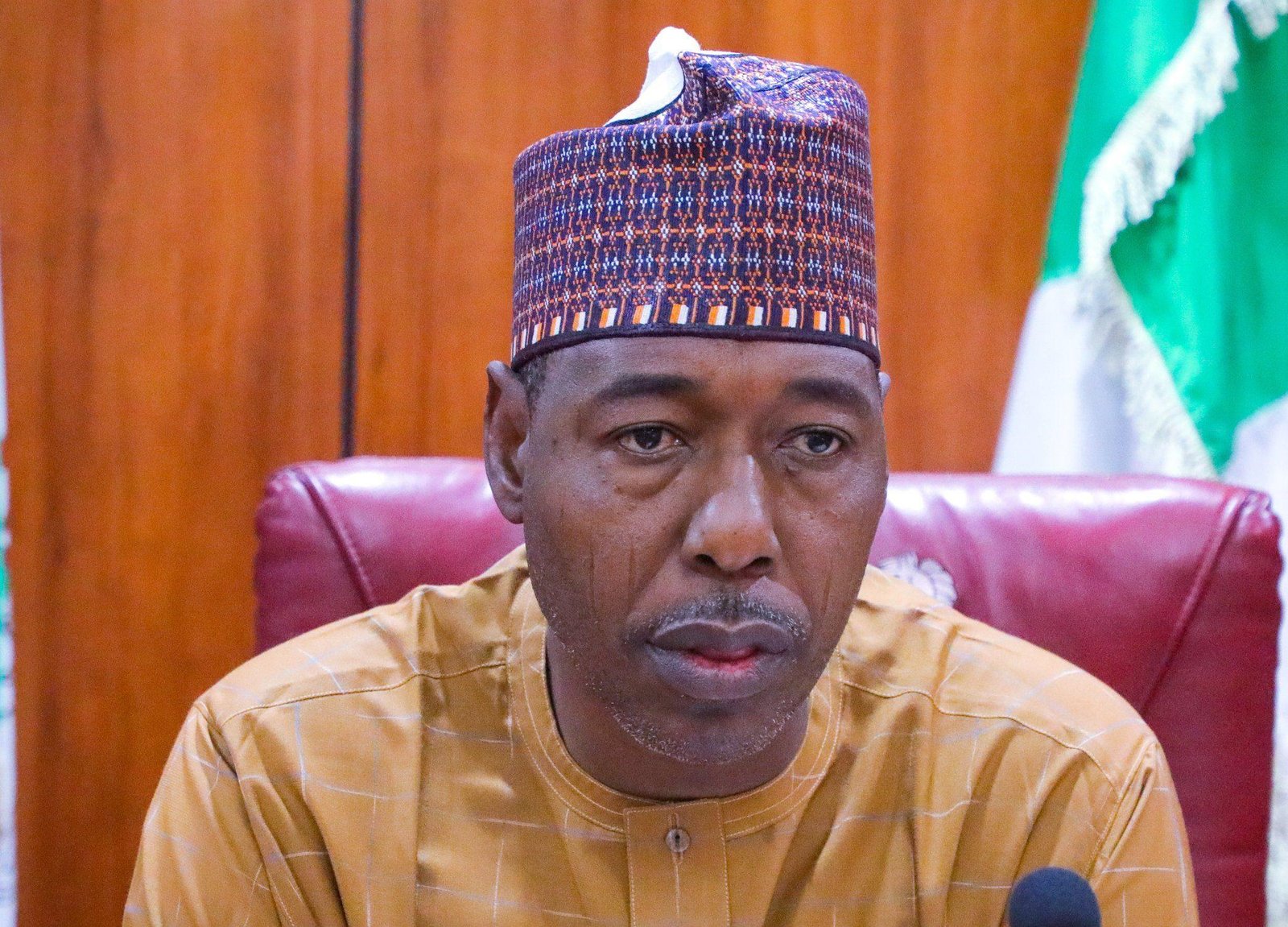
Borno State Governor Babagana Umara Zulum opposing the relocation of NNPC oil exploration equipment from Borno State.
Borno State Governor Professor Babagana Umara Zulum, who has called on the Nigerian National Petroleum Company Limited to keep its oil exploration equipment in Borno and continue supporting petroleum exploration in the Chad Basin

Zulum Rejects Relocation of NNPC Exploration Equipment from Borno, Insists Maiduguri Is Safe for Oil Operations

By TrendPeels Newsroom

Date: October 30, 2026

Category: News | Politics | Business | Northeast Development

Location: Maiduguri, Borno State, Nigeria

Borno State Governor, Professor Babagana Umara Zulum, has strongly opposed plans by the Nigerian National Petroleum Company Limited (NNPCL) to relocate critical oil exploration equipment from Borno State, insisting that the state has made considerable progress in security and should not be treated as an unsuitable location for strategic national energy projects.

The governor expressed his dissatisfaction during a meeting with the chairman of the NNPCL Board, Engineer Ahmadu Musa Kida, and other senior officials of the national oil company in Maiduguri. The meeting brought renewed attention to the long-running search for commercially viable petroleum resources in the Chad Basin and the economic future of Nigeria’s North-East.

Zulum questioned the justification for moving equipment originally deployed for exploration activities in Borno to other locations, particularly when the state government believes that sufficient security arrangements and local technical capabilities are available to support the operations.

His comments have generated renewed public interest in the future of oil exploration in Borno, a state that has experienced years of insecurity but continues to pursue economic recovery, reconstruction and investment opportunities.

The disagreement is significant because the Chad Basin exploration project represents more than an oil search. For Borno residents, it is associated with the possibility of new employment opportunities, infrastructure development, industrial growth and a stronger economic foundation for a region that has faced substantial development challenges.

Zulum Questions Why NNPC Equipment Should Leave Borno

During the meeting, Governor Zulum expressed concern over what he described as attempts to move important exploration machinery away from Borno without adequate consultation with the state government.

According to reports, the governor said the state was initially worried when it received information that equipment might be transferred elsewhere for safekeeping. He also referred to reports that some machinery could be moved to Taraba State for repairs.

Zulum questioned why Borno should be considered less suitable for keeping or maintaining the equipment, particularly given the security arrangements that have been established around the exploration locations.

He was quoted as saying:

“We were so much worried at the beginning when we were told that the equipment should be taken somewhere else for safekeeping.”

The governor also questioned the assumption that another location would necessarily offer better security than Maiduguri.

He further argued that the state possesses the technical capacity to handle certain equipment repairs locally, rather than automatically transferring machinery outside Borno.

His position reflects a broader concern about the need for meaningful consultation between federal institutions, national companies and state governments when decisions affect major development projects.

For Zulum, keeping the equipment in Borno is connected to maintaining the state’s participation in a project that could have long-term implications for its economic development.

Security Concerns and the State Government’s Position

Security remains one of the most important considerations surrounding petroleum exploration in the North-East.

Borno State has experienced years of insurgency and violent attacks, particularly in rural communities and areas affected by the activities of Boko Haram and Islamic State West Africa Province.

These challenges have affected agriculture, transportation, education, commercial activities and investment across the state.

However, Governor Zulum maintains that the security situation around the exploration operations has improved sufficiently to support the continuation of field activities.

During his engagement with NNPCL officials, the governor stated that the state government had provided security support for the exploration locations.

He identified the involvement of military personnel, police officers, members of the Civilian Joint Task Force, local hunters and vigilantes in protecting the equipment and operational areas.

According to the governor, these arrangements were designed to protect the company’s assets and enable exploration activities to continue.

He also argued that previous interruptions to operations were administrative rather than necessarily the result of new security incidents at the exploration sites.

The governor’s position is that security concerns should be addressed through cooperation, proper risk assessments and appropriate protection arrangements instead of automatically removing equipment from the state.

Nevertheless, the security situation must continue to be assessed independently by relevant authorities. Borno’s progress should not be interpreted as meaning that every exploration location is entirely free from security risks.

The safety of employees, contractors, surrounding communities and expensive industrial equipment must remain a priority for both the state government and NNPCL.

Why the Chad Basin Matters to Borno State

The Chad Basin is one of Nigeria’s important geological areas for petroleum exploration.

Located in the country’s North-East, the basin extends across a region that has attracted the attention of government authorities and energy companies because of its geological potential.

For Borno State, the exploration programme is particularly significant because it could open new economic opportunities beyond the traditional sectors that have historically supported the region.

Agriculture, livestock production, trade and small-scale businesses remain important to the livelihoods of many residents.

However, the discovery and development of commercially viable petroleum resources could introduce additional economic activities and create opportunities for investment in supporting industries.

The Chad Basin’s geographical position also gives it regional importance.

Borno shares international borders with Chad, Niger and Cameroon, making it strategically positioned for cross-border commerce and regional economic relationships.

Governor Zulum has repeatedly highlighted this geographical advantage, arguing that successful petroleum development could help transform the North-East into a more important commercial centre connecting parts of West and Central Africa.

However, it is important to distinguish between geological potential and confirmed commercial reserves. Exploration is an investigative process, and the presence of promising geological structures does not automatically mean that profitable quantities of oil or gas have been established.

The economic benefits being discussed therefore remain dependent on successful exploration, commercial discoveries, investment decisions and the development of the necessary infrastructure.

The History of Oil Exploration in Borno

Oil exploration in the Chad Basin has been part of Nigeria’s wider efforts to identify additional petroleum resources outside the established producing areas of the Niger Delta.

The Nigerian government and its petroleum institutions have undertaken exploration activities in different parts of the country as part of a strategy to expand national hydrocarbon resources.

In Borno, one of the notable milestones came in May 2023, when drilling activities were officially flagged off at the Wadi-B well in the Tuba community of Jere Local Government Area.

The development attracted attention because it represented a major step in the state’s long-standing ambition to participate in Nigeria’s petroleum industry.

The project also generated expectations among residents, political leaders, business owners and other stakeholders who hoped that successful exploration could introduce a new source of economic activity.

However, petroleum exploration is a long-term technical process.

Companies must conduct geological studies, seismic investigations, drilling operations, laboratory assessments and commercial evaluations before determining whether a discovery can be developed profitably.

Such projects require substantial financial resources, specialised machinery, skilled professionals and a reliable operational environment.

Consequently, maintaining the equipment and ensuring that exploration activities continue are important issues for the project’s future.

The governor’s latest objection to the proposed relocation has therefore brought renewed attention to the importance of maintaining operational continuity in Borno.

NNPC’s Position and Commitment to Resume Exploration

While Governor Zulum has questioned the proposed movement of equipment, the engagement between the Borno State Government and NNPCL has also produced an important development.

Following the meeting in Maiduguri on October 28, 2026, the national oil company reaffirmed its commitment to resuming oil exploration activities in the state.

The company’s leadership, represented by Board Chairman Ahmadu Musa Kida and senior management officials, gave assurances that efforts would be made to advance the exploration programme.

The Federal Ministry of Information and National Orientation also reported that the meeting focused on the resumption of exploration and wider energy development in Borno.

The commitment is significant because it suggests that discussions between the state government and the national oil company are not limited to disagreements over equipment movement.

Both sides have an interest in creating conditions that will allow the exploration programme to progress.

NNPCL’s management also acknowledged improvements in Maiduguri’s security environment, according to reports of the meeting.

This acknowledgement could help strengthen confidence among potential investors and contractors interested in participating in future operations.

However, the practical implementation of the company’s commitment will be important.

Residents will want to see clear operational timelines, visible field activities, transparent communication and measurable progress rather than announcements alone.

A successful resumption will require coordination between NNPCL, the Federal Government, the Borno State Government, security agencies and communities in the affected areas.

Economic Opportunities for Borno’s Young Population

One of the strongest arguments for continued oil exploration in Borno is the possibility of creating employment opportunities.

Borno has a large population of young people who need access to education, vocational training, sustainable employment and opportunities to establish businesses.

The development of a petroleum industry could create different categories of jobs, depending on the success and scale of future operations.

These may include opportunities for engineers, geologists, technicians, security professionals, drivers, logistics workers, equipment operators and administrative personnel.

There could also be indirect opportunities for local businesses supplying food, transportation, accommodation, construction materials, maintenance services and other operational requirements.

Small and medium-sized enterprises could benefit if the exploration programme creates consistent demand for goods and services.

For example, local transport companies could provide logistics support, construction firms could participate in infrastructure development, and technical workshops could potentially offer maintenance services where they meet the required industry standards.

However, these benefits will not happen automatically.

The state government and NNPCL would need to develop policies that encourage local participation while maintaining professional standards, safety requirements and transparency.

A structured local content programme could help ensure that qualified residents and businesses are not excluded from opportunities created by petroleum exploration.

Training programmes would also be necessary to prepare young people for technical and professional roles within the energy sector.

For Borno residents, the most meaningful measure of success will not simply be the presence of oil exploration machinery. It will be whether the project creates sustainable opportunities that improve people’s lives.

Could Oil Exploration Transform Maiduguri Into a Regional Commercial Centre?

Governor Zulum has expressed optimism that commercially successful petroleum development in the Chad Basin could help transform the North-East into a major commercial hub.

This ambition is connected to Borno’s strategic location and its potential to serve as a link between Nigeria and neighbouring countries.

Maiduguri already plays an important role in trade and transportation within the region.

With improved infrastructure, reliable electricity, stronger security and increased private investment, the city could attract additional commercial activities.

A successful oil and gas industry could support the development of engineering services, transportation networks, storage facilities, industrial workshops and other supporting businesses.

The benefits could also extend beyond Borno to neighbouring states such as Yobe, Adamawa and Gombe.

Cross-border trade opportunities involving Chad, Niger and Cameroon could expand if regional infrastructure and economic cooperation improve.

However, the development of a regional commercial centre requires more than petroleum discoveries.

Road networks, electricity, water supply, telecommunications, education, healthcare and a stable business environment are all necessary.

The state must also ensure that communities affected by exploration receive appropriate attention and that environmental protection remains central to development decisions.

Oil wealth alone cannot guarantee prosperity. Its benefits depend on how effectively resources are managed and converted into opportunities for the wider population.

The Environmental Questions That Must Not Be Ignored

As Borno pursues petroleum exploration, environmental responsibility must remain a central part of the conversation.

The Chad Basin is an environmentally important region, and the wider Lake Chad area supports communities that depend on agriculture, fishing, livestock and water resources.

Any future commercial petroleum development must therefore be accompanied by strong environmental safeguards.

Oil exploration and production can create risks involving land disturbance, waste management, groundwater contamination and damage to surrounding ecosystems if activities are not properly regulated.

The possibility of environmental harm is particularly important in communities where access to clean water and productive agricultural land is essential for survival.

Before large-scale commercial operations begin, relevant authorities must ensure that environmental impact assessments are properly conducted and that companies comply with applicable regulations.

Communities should also be informed about potential risks, compensation arrangements, emergency procedures and mechanisms for reporting environmental concerns.

The goal should be to develop natural resources without sacrificing the environmental conditions that support the livelihoods of residents.

For Borno, responsible petroleum development must mean economic progress alongside environmental protection.

Maiduguri Emergency Power Plant Also Features in the Discussions

Another important issue raised during the October 28 meeting was the delayed upgrade of the Maiduguri Emergency Power Plant.

Governor Zulum reportedly expressed dissatisfaction with the slow progress of the project, noting that necessary materials had been available at the site for approximately two years.

The governor urged NNPCL management to intervene and address the obstacles preventing the completion of the upgrade.

The emergency power plant is important because electricity remains one of the major requirements for economic activity in Maiduguri and its surrounding communities.

Households depend on electricity for lighting, refrigeration, communication and other daily activities.

Businesses also need reliable power to operate equipment, preserve goods, provide services and remain competitive.

For manufacturers and small-scale enterprises, electricity shortages can increase operating costs and limit production.

Improving the emergency power facility could therefore support economic activity across different sectors.

The discussion is particularly relevant to the proposed petroleum exploration programme because energy infrastructure and industrial development are closely connected.

A region seeking to attract major investments must demonstrate that it can provide the basic infrastructure required for sustainable commercial operations.

The governor’s intervention indicates that the Borno State Government expects NNPCL to deliver results not only in petroleum exploration but also in energy infrastructure projects that directly affect residents.

What Borno Residents Should Expect Next

Following the latest meeting, attention will now turn to the practical steps required to fulfil the commitments made by NNPCL.

Residents, business owners and development stakeholders will be watching for several developments.

First, there should be greater clarity regarding the future of the exploration equipment currently deployed in Borno.

If any equipment requires maintenance or relocation for technical reasons, the company should communicate its plans transparently and explain how such decisions affect the project’s timeline.

Second, NNPCL should provide clearer information about when field operations will resume and what activities are expected to take place.

Third, security arrangements must remain effective, with proper coordination between the company and relevant security agencies.

Fourth, local communities should be involved in discussions about the project, particularly where exploration activities may affect land use, livelihoods or access to natural resources.

Finally, the state and federal governments should encourage local training, business participation and infrastructure development to ensure that the potential benefits of exploration are not restricted to external contractors.

These measures would help strengthen public confidence and demonstrate that the project is being managed as a long-term development opportunity.

A Bigger Question: Can Borno Convert Natural Resources Into Lasting Prosperity?

The debate over the relocation of NNPCL exploration equipment raises a bigger question about the future economic direction of Borno State.

For years, the state has worked to address the consequences of insecurity while rebuilding communities, supporting displaced residents and restoring economic activities.

Agriculture remains essential, while education, trade, transportation, healthcare and small businesses are all important to the state’s recovery.

Petroleum exploration could introduce another dimension to this development strategy.

However, the discovery of oil or gas should not become a substitute for investing in other productive sectors.

A balanced economy needs several sources of employment and revenue.

The agricultural sector, for example, must continue receiving attention because it supports millions of livelihoods across the wider region.

Similarly, investment in education and vocational training will determine whether young people can benefit from emerging industries.

The state must also encourage private businesses to invest in manufacturing, logistics, renewable energy, hospitality and technology.

If petroleum exploration eventually produces commercially viable discoveries, its revenues and opportunities should complement these other sectors.

The ultimate objective should be to create an economy capable of providing sustainable livelihoods, attracting investment and improving living standards.

Conclusion: Borno Wants Its Oil Exploration Future Protected

Governor Babagana Zulum’s rejection of plans to relocate NNPCL exploration equipment from Borno has placed the future of the Chad Basin project back in the national conversation.

His message is clear: Borno wants to remain an active participant in a project that could have major implications for its economic future.

The governor’s concerns about equipment movement, local technical capacity and security arrangements reflect the state’s desire to maintain momentum in petroleum exploration.

Meanwhile, NNPCL’s renewed commitment to resume exploration provides an opportunity for both sides to strengthen cooperation and move beyond disagreements.

For residents of Maiduguri and other communities across Borno, the real test will be whether these commitments translate into visible progress.

The state needs more than promises of oil wealth. It needs jobs, reliable electricity, infrastructure, investment, improved livelihoods and opportunities for its growing population.

Whether the Chad Basin eventually becomes a major petroleum-producing region remains to be established through further exploration and commercial assessments.

But one thing is certain: Borno’s interest in the project is strong, and its leaders want the state’s development ambitions to remain firmly on the national agenda.

TrendPeels will continue following developments surrounding the Chad Basin exploration project, NNPCL’s commitments and the economic future of Borno State.

Carter Efe Says He May Return to Single Life Over Relationship Costs

Carter Efe Says He May Return to Single Life Over Relationship Costs

By TrendPeels Entertainment Desk
Date: Thursday, October 29, 2026

Nigerian comedian and livestream personality Carter Efe has attracted attention after reportedly expressing concerns about the financial demands of his relationship with his American girlfriend, Taylor Jasmine.

According to a report published by Naija News on October 29, the entertainer made the comments during a livestream at an airport while helping Jasmine with her luggage as she prepared to leave.

During the livestream, Carter Efe reportedly suggested that the financial pressure of maintaining the relationship could make him reconsider his single life.

The comments have created an opportunity for conversations about relationships, money and the financial expectations that couples may face.

Carter Efe’s Relationship Comments

Carter Efe is known for his comedy, online entertainment and livestream appearances, which frequently bring him into the spotlight.

His reported comments about relationship expenses have added another personal dimension to his public image.

Although the remarks were reportedly made during a livestream, the available report does not provide a detailed breakdown of the expenses he was discussing.

It is therefore important not to assume which specific costs he was referring to without reviewing the original video.

The Conversation About Money and Relationships

Money can be a sensitive subject in romantic relationships, particularly when partners have different financial circumstances or expectations.

Couples may need to discuss travel expenses, gifts, accommodation, daily spending and other financial responsibilities.

When these expectations are not clearly communicated, misunderstandings can develop.

Carter Efe’s reported remarks provide an opportunity to discuss how couples can approach financial responsibilities without allowing money to become a constant source of disagreement.

However, every relationship is different, and the circumstances of one public figure should not automatically be applied to other couples.

Why Celebrity Livestreams Attract Attention

Livestreams have become an important part of the entertainment industry because they allow celebrities to communicate with audiences in a relatively informal setting.

Unlike carefully edited interviews, livestreams can capture spontaneous conversations and personal reactions.

This direct access can help entertainers build stronger connections with their followers, but it can also turn casual remarks into widely discussed news stories.

For entertainment publications, the challenge is to distinguish between what a celebrity actually said, how audiences interpreted the comments and what remains unconfirmed.

In Carter Efe’s case, reviewing the original livestream would help establish the precise wording and context of his remarks.

What Happens Next?

The available report does not establish whether Carter Efe intends to end his relationship with Taylor Jasmine.

His reported comments should therefore not be interpreted as confirmation of a breakup.

Whether the discussion develops into a larger public conversation will depend on any further comments from the people involved and reactions from their audiences.

For now, the story highlights the attention that celebrity relationships continue to attract across Nigeria’s digital entertainment landscape.

TrendPeels will continue to follow developments in Nigerian celebrity culture, entertainment and social media trends.

Source

Naija News — Top Nigerian Newspaper Headlines for Thursday, October 29, 2026

Editorial note: Before publishing, review Carter Efe’s original livestream or a reliable recording to verify the exact quotation and context. Do not describe the relationship as ended unless that is independently confirmed.

Tinubu Seeks $21.7 Billion Foreign Loans as Nigerians Demand Transparency

President Bola Tinubu speaking at a podium in front of Nigeria's National Assembly complex in Abuja, in an AI-generated editorial illustration. Caption: An AI-generated editorial illustration depicting President Tinubu at Nigeria's National Assembly complex in Abuja, amid public debate over the proposed $21.7 billion foreign borrowing plan


Tinubu Seeks $21.7 Billion Foreign Loans as Nigerians Demand Transparency

By TrendPeels News Desk

Published: Wednesday, October 28, 2026

Location: Abuja, Nigeria

President Bola Ahmed Tinubu has asked Nigeria’s National Assembly to approve a supplementary external borrowing plan involving approximately $20.52 billion and €1.045 billion for the 2026–2027 fiscal period, reopening an important national debate about government borrowing, infrastructure development, public accountability and the country’s economic future.

The proposed borrowing, which is intended to finance projects across several sectors, including infrastructure, agriculture, healthcare, education, water supply, security and employment generation, comes as Nigerians continue to demand improved public services, more employment opportunities and better living conditions.

According to reports published by Reuters and Nigerian news organisations, the President submitted the proposal to lawmakers, arguing that additional external financing is needed to address the country’s infrastructure deficit and bridge funding gaps affecting development projects.

However, the request has already attracted criticism from political figures who want the Federal Government to provide more information about the projects to be financed, the terms of the proposed loans and the management of previous borrowings.

The Senate has referred the proposal for legislative scrutiny, meaning the request has not yet received final approval.

The development raises several important questions. Why does Nigeria need additional foreign loans? How will the money be spent? What safeguards will prevent waste or mismanagement? And what could the proposed borrowing mean for ordinary Nigerians?

These are the questions at the centre of a debate that could shape discussions about Nigeria’s economic direction in the months ahead.

What Is Tinubu Asking the National Assembly to Approve?

President Tinubu is seeking approval to process external borrowing facilities totalling $20,517,755,901 and €1,045,083,643 under the Federal Government’s 2026–2027 Supplementary External Borrowing Plan.

The two amounts are equivalent to approximately $21.7 billion when the euro component is converted into US dollars using the exchange-rate estimate reported by Reuters.

The proposal covers a two-year fiscal period and is intended to support government programmes across multiple sectors of the economy.

In his communication to lawmakers, Tinubu urged the National Assembly to consider the plan promptly so that the government could proceed with the implementation of its proposed projects.

The President argued that Nigeria faces substantial infrastructure needs and requires additional financial resources to close gaps that could slow economic growth.

According to reporting by Premium Times and Reuters, the proposed financing is expected to support development programmes involving infrastructure, agriculture, healthcare, education, water supply, security, employment generation and financial management reforms.

The government has presented the borrowing proposal as a means of addressing funding shortages and accelerating development.

Nevertheless, a request for borrowing approval is not the same as the actual release or spending of the money. The legislative process, the terms of any financing agreements and the implementation arrangements remain important parts of the process.

The distinction matters because Nigerians will ultimately want to know not only how much the government intends to borrow but also what measurable benefits the borrowing will deliver.

Sources: Reuters and Premium Times.

Why Does Nigeria Need More Foreign Loans?

Nigeria has significant infrastructure and development needs.

Roads require construction and rehabilitation. Electricity supply needs investment. Hospitals require equipment, qualified personnel and reliable funding. Schools need better facilities, while many communities continue to demand improved access to clean water and other essential services.

The government argues that additional financing could help address these challenges and support projects capable of improving economic activity.

Infrastructure development can contribute to economic growth by reducing transportation costs, improving access to markets, supporting businesses and attracting private investment.

For example, a properly constructed road linking agricultural communities to major markets can reduce the time and expense involved in transporting food. Farmers may find it easier to sell their produce, while traders and consumers could benefit from a more efficient supply chain.

Similarly, investments in electricity infrastructure can help businesses reduce their dependence on expensive alternative power sources.

Reliable electricity can support manufacturers, small businesses, hospitals, schools and digital enterprises.

Healthcare investments can improve access to medical services, while educational programmes may help prepare young Nigerians for employment and entrepreneurship.

These are among the potential benefits associated with productive public investment.

However, the existence of infrastructure needs does not automatically mean that every borrowing proposal is financially justified.

The critical issue is whether the expected economic and social benefits of the projects will be sufficient to justify the cost of borrowing and repayment.

For a country facing competing demands on public revenue, that question deserves serious consideration.

Which Sectors Could Benefit From the Proposed Borrowing?

The Federal Government has identified several sectors expected to receive support under the proposed plan.

Although the broad priorities have been reported publicly, Nigerians need a sufficiently detailed breakdown of the projects, allocations and financing arrangements to understand how the proposed facilities would be deployed.

1. Infrastructure and Transportation

Infrastructure is among the central priorities cited by the government.

Investment in roads, transportation networks and related facilities can improve the movement of people and goods across the country.

Nigeria’s commercial activities depend heavily on transportation. Farmers must move agricultural products to markets, manufacturers need reliable routes for distributing goods, and businesses depend on transportation networks to reach customers.

Poor infrastructure can increase operating costs and contribute to higher prices for consumers.

Well-planned infrastructure projects could therefore support economic activity and improve access to essential services.

However, successful implementation would require proper project selection, competitive procurement, effective supervision and transparent reporting.

Projects should be assessed not only by their announced budgets but also by their completion rates, quality and measurable benefits.

2. Electricity and Energy

Electricity is another critical area for Nigeria’s economic development.

Unreliable power supply can force businesses to rely on generators and other alternative energy sources, increasing operating expenses.

These costs can affect product prices, reduce competitiveness and discourage investment.

Additional investment in electricity infrastructure could help address some of these challenges if the funds are directed towards viable projects and accompanied by effective implementation.

For Nigerians, the important question is whether any resulting investment will translate into more reliable electricity, improved services and lower operating costs for businesses.

The government should therefore provide clear information about the energy projects expected to benefit from the proposed financing.

3. Healthcare

Healthcare is another sector identified in the borrowing plan.

Investment in hospitals, medical equipment, diagnostic facilities and healthcare infrastructure could help improve the quality and accessibility of medical services.

Many families face financial pressure when they need medical treatment, particularly when specialised services are unavailable locally.

Improved healthcare facilities could reduce the need for some patients to travel long distances to obtain treatment.

Nevertheless, infrastructure alone cannot solve every healthcare challenge.

Hospitals also require qualified medical personnel, essential medicines, maintenance budgets and effective management.

Any borrowing intended to support healthcare should therefore be accompanied by a clear implementation plan that considers both construction and long-term operating costs.

4. Agriculture and Food Security

Agriculture remains important to Nigeria’s economy, food supply and employment.

Farmers need access to productive land, suitable equipment, storage facilities, transportation, financing and reliable markets.

Investment in agricultural infrastructure could help reduce losses, improve distribution and support rural economic activity.

For example, better storage and transportation facilities can help reduce the amount of agricultural produce lost before reaching consumers.

Improved irrigation and other carefully planned agricultural projects could also support production in areas where access to water limits farming activities.

However, the impact of agricultural spending will depend on how the projects are selected and implemented.

Nigerians should expect the government to explain which communities and agricultural value chains are expected to benefit and how the results will be measured.

5. Education and Skills Development

Education is essential to long-term economic growth.

Nigeria needs an education system that prepares young people with the knowledge and practical skills required in an increasingly competitive economy.

Funding for education could support improvements in school facilities, technical education and other development programmes.

Skills acquisition and entrepreneurship initiatives could also help young people prepare for employment or establish businesses.

However, effective education spending requires more than announcing financial allocations.

The government must demonstrate how investments will improve learning conditions, expand access to opportunities and strengthen the connection between education and employment.

6. Water Supply and Essential Services

Access to clean and reliable water remains an important public welfare issue.

Investment in water infrastructure could improve access to safe water for households, schools, healthcare facilities and businesses.

Such projects may also support public health and reduce the time and expense associated with obtaining water in communities where supply is inadequate.

The benefits would depend on the quality of the infrastructure, maintenance arrangements and the ability of relevant authorities to keep the facilities operating.

7. Security and Employment Generation

The proposed borrowing plan also identifies security and employment generation among its priorities.

Security challenges can disrupt economic activities, discourage investment and affect the movement of people and goods.

Investment in appropriate security-related programmes could support efforts to protect communities and create a safer environment for economic activity.

Employment generation is another important consideration, particularly for young Nigerians seeking stable sources of income.

Infrastructure projects can create temporary construction jobs and potentially support longer-term employment through the businesses and services they enable.

However, the number of jobs created will depend on the nature of the projects, their implementation schedules and the wider economic effects.

The government should provide measurable targets rather than relying solely on general promises of employment creation.

Atiku Abubakar Questions the Borrowing Proposal

The proposed borrowing has attracted criticism from former Vice President Atiku Abubakar, who has called for greater transparency before the National Assembly proceeds with the request.

According to a report published by Punch Newspapers on October 28, Atiku urged lawmakers to suspend consideration of the proposal until the Federal Government publishes details of the projects intended to receive the financing.

His position reflects concerns about whether the government has provided sufficient information for lawmakers and the public to assess the proposal properly.

The demand for greater disclosure raises an important question: how can Nigerians evaluate a borrowing plan if they cannot clearly identify the projects, financing conditions and expected results associated with it?

A project-by-project breakdown would help lawmakers assess whether the proposed investments address genuine public needs.

It would also allow citizens, journalists, economists and civil society organisations to scrutinise the proposal more effectively.

Transparency does not necessarily mean that borrowing is inappropriate. Rather, it helps establish whether the proposed financing is justified and whether the government has credible plans for using the funds responsibly.

For a proposal of this size, the public interest would be better served by clear documentation and meaningful legislative scrutiny.

Source: Punch Newspapers — Atiku faults Tinubu’s request for $20.52bn and €1.05bn loans.

Senator Victor Umeh Raises Questions About Previous Borrowing

Another important development in the debate is the reported criticism from Senator Victor Umeh of Anambra Central.

According to Premium Times, Umeh questioned the Federal Government’s handling of previous borrowing approvals and asked why some contractors executing capital projects were still awaiting payment despite repeated borrowing authorisations.

His concerns focus on a central issue in public finance: whether the government has effectively managed the funds it has already been authorised to borrow.

When governments seek additional financing, lawmakers and citizens have a legitimate interest in understanding the results achieved through previous borrowing.

That assessment should include the projects completed, the obligations outstanding, the amount disbursed and the benefits delivered to the public.

It should also distinguish between money approved for borrowing, financing agreements signed, funds actually received and amounts ultimately spent.

These are different stages of public financing, and confusing them can make it difficult to evaluate government performance.

If previous borrowing has funded productive investments, those results should be documented.

If projects have experienced delays or contractors remain unpaid, the government should explain the reasons and outline the steps being taken to resolve the problems.

The latest request therefore creates an opportunity for lawmakers to examine not only the proposed new borrowing but also the effectiveness of existing public investment programmes.

Source: Premium Times — Senator questions Tinubu’s fresh loan request and use of previous borrowings.

What Is the National Assembly Doing?

The proposed borrowing plan has entered the legislative review process.

Reports published on October 27 and October 28 indicate that the request was referred to relevant committees for consideration.

The Senate referred the proposal to its Committee on Local and Foreign Debts for scrutiny, with a direction to report back within one week. The House of Representatives also referred the request to a joint committee responsible for loans and debt management and appropriations.

The committees’ work is important because borrowing decisions can have long-term consequences for public finances.

Lawmakers need to examine the intended uses of the money, the financing terms, the repayment arrangements and the government’s capacity to meet its obligations.

They should also consider whether the projects are sufficiently prepared for implementation and whether alternative financing arrangements would be more appropriate in particular cases.

The review should establish whether the expected public benefits justify the financial commitments involved.

It is important to emphasise that the reported committee referrals do not mean the entire borrowing plan has been approved.

The proposal remains subject to the legislative process, and its eventual outcome will depend on the decisions taken by the National Assembly.

Nigerians should follow the process closely and distinguish between the President’s request, committee recommendations and any final legislative authorisation.

How Could the Borrowing Affect Ordinary Nigerians?

The impact of the proposed borrowing will depend heavily on how the money is used, the terms on which it is obtained and the economic benefits generated by the funded projects.

There are several possible outcomes.

Potential Benefits

If the funds support productive infrastructure and development projects, Nigerians could benefit from improved roads, better public services, expanded economic opportunities and more reliable infrastructure.

Businesses could benefit from improved transportation networks and electricity infrastructure.

Farmers could gain better access to markets, while healthcare and education investments could improve access to essential services.

Projects that increase productivity and generate sustainable economic activity could also strengthen the government’s revenue base over time.

These benefits, however, are potential outcomes rather than guaranteed results.

Potential Risks

Borrowing creates financial obligations that must be managed.

External loans may expose the government to exchange-rate risks, depending on their currency denomination, repayment structure and available foreign-currency revenues.

If the naira depreciates against the currencies in which the loans are denominated, the domestic-currency cost of servicing those obligations could increase.

The actual effect would depend on the specific financing agreements and the government’s foreign-exchange position.

Borrowing also creates repayment commitments that must be considered alongside spending on education, healthcare, security, infrastructure maintenance and other public services.

If borrowed funds are used inefficiently or projects fail to deliver expected benefits, the country could face additional financial pressure without receiving sufficient economic returns.

There is also the risk of project delays, cost overruns and weak implementation.

These concerns do not automatically mean that the proposed borrowing should be rejected. They demonstrate why careful evaluation and transparent management are essential.

For ordinary Nigerians, the most important issue is whether the funds will improve living conditions enough to justify the financial obligations they create.

Understanding Nigeria’s Debt Debate

Government borrowing is not inherently good or bad.

Countries borrow for different reasons, including infrastructure development, economic stabilisation and the financing of major public investments.

The important questions concern the purpose of the borrowing, its cost, the government’s repayment capacity and the returns expected from the investment.

Borrowing to finance a productive project can make economic sense if the project generates benefits that justify its cost.

For example, a well-planned transportation project could improve trade, reduce logistics costs and support business growth over many years.

However, borrowing becomes more concerning when funds are used for projects that deliver limited benefits, when financing terms are unfavourable or when the government cannot adequately manage repayment obligations.

The assessment must therefore go beyond the headline amount.

To understand the proposed $20.52 billion and €1.045 billion facilities, Nigerians need access to information about their individual components.

That includes the lenders involved, interest rates, repayment periods, grace periods, fees, disbursement conditions and the projects expected to receive the money.

The government should also explain how the proposed borrowing relates to existing debt obligations and previously approved financing plans.

Such information would help lawmakers and independent analysts assess the full implications of the proposal.

It would also allow the public to distinguish between the total value of a borrowing request and the amount that may eventually be drawn down under specific financing agreements.

Without these details, it is difficult to make a complete assessment of the proposal’s potential benefits and risks.

Why Transparency Must Be a Priority

Transparency is essential whenever governments make decisions that create long-term financial obligations for the country.

The proposed borrowing affects more than the current administration. Depending on the financing arrangements, repayment commitments could extend into future years, affecting the resources available to subsequent governments.

Nigerians therefore have a legitimate interest in understanding how the proposed loans will be used.

The Federal Government can strengthen public confidence by publishing detailed information about the projects covered by the plan.

Such disclosure should include project locations, estimated costs, implementation timelines, expected beneficiaries and the institutions responsible for delivery.

Where appropriate, the government should also explain the procurement process and the safeguards designed to prevent waste, fraud and conflicts of interest.

Regular implementation reports would allow the public to compare announced targets with actual results.

For example, if funds are allocated to a road project, the government should explain the project’s location, budget, contractor selection process, completion schedule and expected economic benefits.

If a healthcare project is financed, citizens should be able to assess whether the intended facilities have been completed, equipped and made operational.

These measures would help transform a broad borrowing announcement into a programme that can be evaluated against measurable outcomes.

Transparency should also extend to project delays and cost overruns.

Public accountability is more credible when governments explain both achievements and shortcomings.

What the Government Should Clarify Before Borrowing Proceeds

As the National Assembly examines the proposal, several issues deserve careful attention.

First, the government should provide a detailed project list.

Lawmakers and citizens need to know which projects will receive the funds and how much has been earmarked for each one.

Second, the financing terms should be made clear.

The public should have access to information about interest rates, repayment periods, fees and other relevant conditions, subject to legitimate legal and commercial restrictions.

Third, the government should explain the repayment strategy.

This should include how the proposed obligations fit into the country’s wider fiscal plans and how foreign-currency liabilities will be managed.

Fourth, the government should demonstrate implementation readiness.

Projects should have credible budgets, realistic timelines and clear responsibilities before substantial funds are committed.

Fifth, there should be measurable performance targets.

The public needs to know what success will look like, whether that means completed infrastructure, improved services, increased agricultural productivity or other verifiable outcomes.

Sixth, independent oversight should be strengthened.

Appropriate auditing, procurement controls and legislative monitoring can help ensure that public funds are used for their intended purposes.

These measures would not eliminate every financial risk, but they would make it easier to assess whether the borrowing is justified and whether the public is receiving value for money.

Could the Borrowing Support Economic Growth?

The government’s argument is that additional financing could help accelerate economic development by addressing infrastructure gaps and supporting investment across critical sectors.

There is a reasonable economic basis for considering productive public investment.

Infrastructure can support private-sector activity, reduce operating costs and improve access to markets.

Agricultural investment can strengthen food distribution and support rural businesses.

Healthcare and education spending can improve human capital, while well-designed security programmes may help create conditions in which economic activity can expand.

However, the actual effect of the proposed borrowing will depend on the quality of the projects and the effectiveness of their implementation.

Simply allocating money to a sector does not guarantee economic growth.

Projects must be properly designed, competitively procured, completed on time and maintained after completion.

The government must also consider the opportunity cost of borrowing.

Resources committed to debt servicing are resources that may not be available for other public priorities.

For this reason, the assessment should compare the expected benefits of the proposed projects with their full financial costs.

The government should also explain how the investments fit into a coherent economic strategy rather than presenting them as isolated spending commitments.

Ultimately, the success of the plan should be judged by results rather than the amount of financing announced.

What Happens Next?

The next major development will be the outcome of the National Assembly’s review.

The relevant committees are expected to examine the proposal and report their findings to lawmakers.

During that process, the government may face questions about the proposed projects, financing terms, repayment obligations and the relationship between the new request and existing borrowing commitments.

Lawmakers will need to determine whether the information provided is sufficient to justify the proposed facilities.

The debate could also increase public pressure for clearer reporting on the government’s use of previously approved loans.

As of Wednesday, October 28, 2026, the key distinction remains that President Tinubu has requested approval for the proposed external borrowing, while the legislative review is ongoing.

The proposal should not be described as fully approved or the funds as already disbursed unless subsequent official announcements establish those developments.

For Nigerians following the story, the most important issues to watch are the committees’ findings, any additional information released by the government, the financing conditions and the final decisions of the National Assembly.

Conclusion: Development Must Be Matched With Accountability

President Tinubu’s request for approximately $21.7 billion in external borrowing has placed Nigeria’s infrastructure needs, public debt management and financial accountability at the centre of national debate.

The government argues that additional financing is necessary to address infrastructure gaps and support projects in areas such as transportation, electricity, agriculture, healthcare, education, water supply, security and employment generation.

If the funds are used effectively, the resulting investments could contribute to economic activity and improve access to essential services.

However, the concerns raised by Atiku Abubakar, Senator Victor Umeh and other critics underline the importance of transparency, proper scrutiny and clear evidence of results.

The National Assembly has a responsibility to examine the proposal carefully, while the Federal Government should provide sufficient information to allow lawmakers and the public to evaluate its potential benefits and risks.

Nigeria’s development needs are substantial, but borrowing alone cannot guarantee progress.

Successful development requires sound project selection, responsible financing, effective implementation, independent oversight and a clear commitment to public accountability.

For ordinary Nigerians, the central question is not simply whether the government should borrow more money.

It is whether the proposed borrowing will deliver tangible improvements in living conditions, strengthen the economy and create lasting value for the country.

As the National Assembly considers the proposal, Nigerians will be watching to see whether the promised investments are supported by transparent plans, credible safeguards and measurable results.

TrendPeels will continue to follow the debate and report on developments affecting Nigeria’s economy, government finances and public interest.

Sowore Calls for “Tinubu Must Go” Rally in Abuja

Sowore Calls for ‘Tinubu Must Go’ Rally in Abuja as 2027 Election Tensions Rise

Political activist and African Action Congress (AAC) presidential candidate Omoyele Sowore has called on residents of the Federal Capital Territory to participate in a planned protest against President Bola Ahmed Tinubu’s administration.

The rally, tagged the “Tinubu Must Go” protest, was announced by Sowore on Monday, October 26, 2026, with the activist urging supporters and other Abuja residents to mobilise for the planned demonstration on Tuesday, October 27.

The announcement has attracted attention amid growing political activities ahead of Nigeria’s 2027 general elections and continuing debates over the country’s economic direction, governance and leadership.

According to reports, Sowore made the announcement while addressing supporters at the Federal High Court in Abuja following a hearing in his ongoing legal case involving the Department of State Services (DSS).

He called on supporters to encourage their friends, relatives and other residents to participate in the proposed rally.

Sowore Calls for Public Mobilisation

During his address, Sowore expressed confidence that Nigerians were ready for political change and urged residents of the capital to participate in the planned demonstration.

He indicated that the rally would not be restricted to the court premises, saying participants would move into other parts of Abuja.

His announcement forms part of his continued criticism of the Tinubu administration and his political activities ahead of the next presidential election.

However, details about the rally’s final route, turnout and outcome have not been independently established for this report.

What Is Behind the Planned Protest?

The planned demonstration comes at a time when economic conditions, insecurity and the performance of the federal government remain important subjects in Nigeria’s political discussions.

The removal of the petrol subsidy, exchange-rate changes and rising living costs have shaped public debate since Tinubu took office in May 2023.

Supporters of the government’s policies have argued that economic reforms are necessary to address longstanding structural problems. Critics, meanwhile, have questioned the pace at which ordinary Nigerians are experiencing relief from the effects of those reforms.

Sowore has remained one of the administration’s outspoken critics, using political campaigns, public statements and demonstrations to call for changes in governance.

The proposed rally provides another opportunity for his supporters to express their views about the government’s performance.

Nevertheless, the size of any demonstration and the extent to which it reflects wider public opinion cannot be determined from the announcement alone.

Sowore’s Legal Case Adds to Political Attention

The protest announcement followed Sowore’s appearance at the Federal High Court in Abuja in connection with a case brought by the DSS.

Reports say the case concerns allegations arising from Sowore’s description of President Tinubu as a criminal.

The allegations should be distinguished from established findings of a court. The existence of a legal case does not, by itself, establish the truth of the allegations against either party.

The court proceedings have kept Sowore’s confrontation with the authorities in the news, while his latest mobilisation call has brought renewed attention to his opposition to the president.

2027 Elections and Nigeria’s Political Landscape

Nigeria’s next presidential and National Assembly elections are scheduled for January 16, 2027, according to the Independent National Electoral Commission’s published timetable.

As political parties and candidates prepare for the elections, debates about economic policy, security, accountability and leadership are likely to remain central to public discussion.

For opposition figures, protests and public campaigns can provide opportunities to attract attention to their positions and engage potential supporters.

For the government, criticism from opposition groups presents another test of its ability to communicate its policies and respond to public concerns.

However, a protest announcement alone does not establish how voters will behave at the ballot box. Its wider political significance will depend on participation, public response and developments that follow.

What Happens Next?

Attention will be on whether the planned Abuja rally takes place as announced, how many people participate and whether the demonstration results in further political developments.

Updates from credible news organisations and statements from the organisers will be important in establishing what happened.

TrendPeels will continue to follow developments surrounding the planned rally and other major political stories ahead of Nigeria’s 2027 elections.

Omoyele Sowore at a political gathering related to the Tinubu Must Go protest in Abuja.
Omoyele Sowore at a political gathering related to the Tinubu Must Go protest in Abuja

Zlatan Ibile and Davita Lamai’s Traditional Wedding

Zlatan Ibile and Davita Lamai’s Traditional Wedding: Davido, Celebrity Guests, Stunning Outfits and Highlights

By TrendPeels Entertainment Desk
Published: October 26, 2026
Category: Celebrity News / Entertainment
Focus keyword: Zlatan Ibile and Davita Lamai traditional wedding
SEO title: Zlatan Ibile and Davita Lamai’s Traditional Wedding: Photos and Highlights
Meta description: Zlatan Ibile and Davita Lamai celebrated their traditional wedding in Lagos on October 24, 2026. Discover their stunning outfits, Davido’s role, celebrity guests and relationship story.

Nigerian music star Zlatan Ibile and his longtime partner, Davita Lamai, have celebrated their traditional wedding in Lagos, bringing together family members, friends and personalities from the entertainment industry for a memorable occasion.

The ceremony, held on Saturday, October 24, 2026, attracted attention across Nigerian entertainment media after the couple shared photographs of their traditional wedding outfits. Their celebration featured elaborate cultural fashion, coordinated accessories and appearances by fellow entertainers, including Davido, who served as one of the groom’s groomsmen.

The wedding marked a significant public milestone for the couple, who have been together for several years and have two sons. Their relationship has attracted interest from fans who have followed Zlatan’s rise in the Nigerian music industry and his life outside the stage.

According to reports published by TheCable Lifestyle, Punch Newspapers and Pulse Nigeria, the couple wore traditional outfits inspired by Edo and Yoruba styles during the celebration. Their fashion choices became an important part of the wedding coverage, particularly because of the intricate beadwork, coordinated colours and accessories.

The event also renewed interest in the couple’s love story, including a previously shared account from Davita about how Zlatan obtained her phone number when they first met.

Here is a closer look at the wedding, the couple’s traditional outfits, the celebrity guests and the relationship behind the celebration. TheCable Lifestyle

Zlatan Ibile and Davita Lamai Celebrate Their Traditional Wedding in Lagos

Zlatan Ibile and Davita Lamai held their traditional wedding ceremony in Lagos on October 24, 2026.

The celebration followed an announcement the couple shared earlier in October, revealing the date of their wedding through a video posted on social media. The announcement carried the hashtag #DTTheUnion and featured a voice-over from one of their children reflecting on their parents’ relationship.

The family-centred announcement gave fans a glimpse into the couple’s preparations and established the date for the much-anticipated celebration.

Zlatan, whose real name is Omoniyi Temidayo Raphael, later shared photographs showing himself and Davita dressed in elaborate traditional outfits. His caption, “IT’S TIME TO MARRY,” accompanied the photographs and prompted congratulatory messages from fans and fellow entertainers.

The public celebration brought renewed attention to a relationship that has developed over several years.

Although Zlatan frequently attracts public attention through his music and performances, the couple have generally maintained a relatively private approach to their family life. Their decision to share selected moments from their wedding allowed supporters to celebrate the occasion without requiring every detail of their relationship to become public.

Reports also indicate that the couple had previously held a private civil ceremony. However, their traditional wedding provided a separate public celebration involving cultural fashion and the gathering of family, friends and entertainment industry associates. Punch Newspapers

Davita Lamai’s Stunning Traditional Wedding Outfit

One of the most discussed features of the celebration was Davita’s traditional wedding appearance.

According to TheCable Lifestyle and Pulse Nigeria, she wore a custom burgundy gown featuring detailed beadwork, a fitted corseted bodice and a flowing silhouette.

The outfit combined a modern bridal design with traditional accessories, creating a distinctive look for the occasion.

Her ensemble included layered coral necklaces, matching accessories and an elaborate braided crown known as an Okuku. A sheer crimson veil and a black horsehair fly whisk completed the appearance.

The carefully coordinated details gave the outfit a ceremonial quality while allowing the bride’s personal style to remain visible.

Coral beads are associated with ceremonial dress in several Nigerian cultural traditions. Their meaning and use vary by community, occasion and context, making it important to recognise their cultural significance rather than treating them merely as decorative accessories.

The reported Edo-inspired styling reflected Davita’s heritage and formed a central element of the couple’s first traditional look.

The gown’s rich burgundy colour also complemented the red details incorporated into Zlatan’s outfit, creating a coordinated appearance for the couple.

For readers interested in wedding fashion, Davita’s ensemble offers an example of how contemporary bridal design can incorporate traditional accessories, detailed embroidery and carefully selected colours.

The look also highlights the contribution of fashion designers and stylists to modern Nigerian celebrations. Behind a carefully coordinated wedding appearance are creative decisions involving materials, measurements, accessories, colours and the overall presentation of the couple.

For TrendPeels readers planning their own celebrations, the important lesson is that traditional fashion can be adapted to personal preferences while still respecting the cultural significance of the occasion. TheCable Lifestyle

Zlatan Ibile’s Traditional Wedding Outfit

Zlatan complemented Davita’s burgundy bridal gown with a cream and ivory traditional ensemble.

The outfit featured a textured ivory coat decorated with red beadwork around the shoulders and hem. Underneath, the singer wore a cream robe, creating a layered appearance that matched the formality of the occasion.

His accessories included coral beads, an ivory ceremonial cap and a carved wooden staff.

The red accents created a visual connection between his outfit and Davita’s gown. Rather than relying on identical clothing, the couple achieved coordination through complementary colours and accessories.

This approach is common in contemporary wedding styling, where couples may choose different silhouettes while maintaining a shared visual theme.

Zlatan’s outfit also reflected a different side of his public image.

Known for energetic performances and a distinctive street-pop sound, the musician is often associated with contemporary urban fashion. His traditional wedding appearance demonstrated how artists can embrace formal cultural clothing during important family occasions.

The choice of traditional attire also placed the celebration within the wider context of Nigerian wedding culture, where clothing can communicate heritage, family identity and the significance of the ceremony.

The couple later appeared in a second coordinated look featuring pastel colours associated with Yoruba-inspired styling. According to Pulse Nigeria, Zlatan wore a light green agbada with cream embroidery, while Davita wore a pale yellow skirt-and-blouse outfit with light green detailing.

The change of outfits provided a second fashion moment and showed how different traditional styles could feature within the same celebration. Pulse Nigeria

Davido Joins Zlatan’s Groomsmen

Another major talking point was the appearance of Nigerian singer Davido as one of Zlatan’s groomsmen.

Davido’s involvement attracted attention because both artists are established names in the Nigerian music industry, and their friendship has been visible to fans.

Pulse Nigeria and Punch Newspapers reported Davido’s attendance at the traditional wedding. Other entertainers and public figures were also reported to have attended or congratulated the couple.

Among the personalities mentioned in wedding coverage were Fuji musician K1 De Ultimate and influencer Enioluwa Adeoluwa. TheCable Lifestyle also reported the attendance of entertainers including Carter Efe and Berri Tiga. TheCable Lifestyle

Celebrity appearances often become a major part of entertainment coverage because they connect different audiences.

Fans who follow Zlatan may also be interested in Davido’s appearance, while followers of other entertainers may discover the story through photographs and videos shared online.

However, the presence of famous guests is only one part of a wedding celebration. The central event remains the couple’s marriage and the gathering of people who came to celebrate with them.

For entertainment publishers, reporting celebrity attendance also requires care. A guest should be identified only when reliable reporting or clear, authentic photographs support the claim. Speculation about who attended, what they brought or how much they spent should not be presented as established fact.

In Zlatan and Davita’s case, the reported presence of fellow entertainers added a high-profile element to a celebration that was already attracting attention because of the couple’s relationship and traditional fashion.

The Story Behind the Wedding Hashtag #DTTheUnion

The hashtag #DTTheUnion was part of the couple’s wedding announcement shared earlier in October.

The announcement video helped introduce the wedding date to fans and offered a family-centred perspective on the celebration.

According to reports, one of the couple’s children contributed a voice-over reflecting on the relationship between his parents and the importance of family. This gave the announcement a personal dimension that went beyond the usual save-the-date message.

Wedding hashtags are commonly used by couples to group photographs and videos associated with their celebrations. They can help guests and followers find related posts without searching through an entire social media account.

For public figures, a consistent hashtag can also help entertainment outlets identify the official wedding-related material being shared online.

However, not every post carrying a wedding hashtag necessarily comes from the couple. Publishers and readers should distinguish official announcements from fan accounts, reposted videos and unverified commentary.

For TrendPeels, the hashtag provides a useful search term for readers looking for more wedding-related updates. Any material incorporated into the article should still be checked for authenticity, relevance and permission to reuse.

The announcement also helped establish the timeline leading up to the October 24 celebration, giving the public a way to connect the preparations with the eventual traditional wedding.

Zlatan and Davita’s Love Story

Zlatan and Davita have been together for several years, and their relationship has attracted public interest as the musician’s career has developed.

Despite Zlatan’s visibility in the entertainment industry, the couple have generally kept much of their personal life away from the spotlight.

One detail that attracted attention before the wedding concerned how their relationship began.

In a teaser for their wedding documentary, Davita reportedly recalled that Zlatan was too shy to ask for her phone number himself. Instead, he arranged for someone else to obtain her contact details.

The story was reported by Vanguard and offered an amusing contrast with Zlatan’s energetic public personality. Vanguard News

For fans familiar with his stage performances, the anecdote provided a more personal glimpse of the musician.

It also illustrates how small details can make celebrity stories relatable. People may know an artist through songs, interviews and performances without knowing how that person behaves in everyday situations.

The reported account of their first interaction attracted interest because it focused on an ordinary experience: the nervousness that can accompany meeting someone one likes.

Nevertheless, a short anecdote should not be treated as a complete explanation of a relationship. The couple’s private experiences extend beyond what they choose to share publicly.

Their wedding celebration represents one visible milestone in a relationship that has developed over time, but the details of their life together remain personal.

Family Takes Centre Stage in the Wedding Story

Zlatan and Davita have two sons, and their children featured in the couple’s pre-wedding announcement.

The family element helped shape the public presentation of the wedding, offering a perspective different from stories focused solely on celebrity guests and fashion.

For many couples, marriage celebrations represent an opportunity to bring family members and friends together to recognise an important transition in their lives.

Where children are involved, a celebration can also reflect the journey a family has already shared.

The inclusion of a child’s voice in the wedding announcement was a notable detail because it connected the event to the couple’s family life rather than presenting it exclusively as a glamorous entertainment occasion.

At the same time, public interest in celebrity families should be balanced with respect for children’s privacy.

Publishers should avoid exposing unnecessary personal information about children or making assumptions about their experiences. Details included in a story should be relevant, publicly confirmed and presented respectfully.

For TrendPeels, the family dimension adds context to the wedding without requiring extensive speculation about the couple’s private lives.

Nigerian Traditional Weddings and Cultural Expression

Zlatan and Davita’s celebration also attracted attention for the different traditional styles featured in their outfits.

Traditional weddings across Nigeria reflect a variety of cultural practices, family customs, clothing styles and ceremonial expectations.

Although the details vary between communities, these celebrations often provide an opportunity for couples and their families to recognise their heritage while marking a major personal occasion.

In this wedding, reports described an initial look inspired by Edo traditional attire, followed by coordinated outfits associated with Yoruba styling.

The distinction is important because Nigerian wedding fashion is not limited to one style. Couples may incorporate elements connected to their own backgrounds, their families or the particular atmosphere they want to create.

Coral beads, ceremonial caps, elaborate headpieces and traditional robes can contribute to the appearance of a wedding while carrying cultural meanings that extend beyond fashion.

Modern designers also continue to adapt traditional clothing through contemporary cuts, embroidery, materials and accessories.

These developments allow couples to celebrate heritage while expressing their individual tastes.

Celebrity weddings can give designers and creative professionals a wider audience, particularly when photographs of their work are published by entertainment outlets and shared on social media.

However, it is important not to assume that every accessory has the same meaning across Nigerian communities. Cultural explanations should be supported by reliable information, especially when describing specific ceremonial traditions.

Zlatan and Davita’s wedding therefore offers an opportunity to appreciate the relationship between contemporary bridal fashion and cultural expression without reducing the ceremony to its visual appearance alone.

Social Media Reactions to the Wedding

The couple’s wedding photographs attracted congratulatory messages from fans and fellow entertainers.

According to wedding coverage by Nigerian entertainment publications, the outfits and celebrity attendance were among the details that drew public attention.

Social media has changed the way audiences experience celebrity weddings. People who are not physically present can follow an event through photographs, official announcements and short videos.

Instagram is particularly useful for visual wedding coverage, while TikTok and other video platforms allow memorable moments to circulate beyond the original audience.

This creates opportunities for entertainers to share important milestones with supporters. It also enables entertainment publishers to reach readers who discover stories through social media rather than through a traditional news homepage.

However, a widely shared photograph does not automatically establish every claim attached to it.

Edited videos, misleading captions and posts from unofficial accounts can distort what happened at an event. Publishers should check original posts and reliable reporting before describing a particular moment.

The same principle applies to claims about gifts, costs, private conversations and other details that may attract attention online.

Zlatan Ibile and Davita Lamai showcase their traditional wedding outfits featuring burgundy attire, intricate embroidery, and cultural accessories
Zlatan Ibile and Davita Lamai celebrate their traditional wedding in Lagos, dressed in coordinated traditional outfits.

Nigeria Politics Today: Tinubu Launches 2027 Campaign in Kaduna

Nigeria Politics Today: Tinubu Launches 2027 Campaign in Kaduna as State Police Plan Advances

By TrendPeels | Politics | October 24, 2026

Nigeria’s political atmosphere is becoming increasingly active as the country moves closer to the 2027 general elections. From President Bola Ahmed Tinubu’s campaign launch in Kaduna to renewed attention on the proposed establishment of state police, political developments are raising important questions about leadership, security, accountability and the future direction of the country.

For many Nigerians, politics is no longer something discussed only during rallies, party meetings or television debates. It is connected to everyday life: the cost of food, the availability of jobs, the safety of communities, the quality of public services and the hope that tomorrow might be better than today.

Against this background, Saturday, October 24, 2026, has become an important day in the country’s political calendar. The ruling All Progressives Congress (APC) has formally launched President Tinubu’s re-election campaign in Kaduna, while the proposed constitutional reform to introduce state police has crossed a major legislative hurdle.

These developments are unfolding at a time when Nigerians are watching political leaders closely and asking what their decisions will mean for ordinary citizens.

Tinubu Begins His 2027 Re-Election Campaign in Kaduna

President Bola Ahmed Tinubu has arrived in Kaduna State for the official flag-off of the APC presidential campaign ahead of the 2027 general election.

The event brings together prominent members of the ruling party, including Vice President Kashim Shettima, APC governors, ministers, lawmakers and other political stakeholders. Kaduna Township Stadium is the venue for the gathering, which marks a major step in the party’s campaign activities.

According to Voice of Nigeria’s report, the rally is intended to mobilise support for Tinubu’s second-term bid and provide a platform for the ruling party to present its Renewed Hope 2.0 agenda.

The campaign launch is more than a political gathering. It is an opportunity for the APC to remind Nigerians of its promises, explain its policies and make its case for another term in office.

For the President and his supporters, the campaign offers an opportunity to communicate what they believe the administration has achieved and what they intend to do next.

However, for many citizens, the more important question is what these promises will mean in practical terms.

Will households find it easier to afford food? Will young Nigerians have better access to employment? Will small businesses experience more stable operating conditions? Will communities affected by insecurity experience lasting improvements?

These are the questions that will shape public conversations as the campaign progresses.

Political rallies can demonstrate organisation, enthusiasm and support among party members. However, attendance at a rally alone does not establish how the wider electorate feels. Voters have different experiences, priorities and expectations, and their decisions will ultimately be expressed through the electoral process.

The Kaduna launch therefore represents the beginning of a more intensive period of political engagement, during which the ruling party will be expected to explain its record and its plans for the future.

Why Kaduna Matters in the Political Conversation

The choice of Kaduna as the location for the campaign launch places the North-West at the centre of the APC’s early campaign activities.

Kaduna is an important political state with a diverse population, a history of competitive politics and significant security concerns. Its political environment makes it an important setting for conversations about national leadership, security and economic development.

The North-West also forms a substantial part of Nigeria’s electorate. Political parties seeking nationwide support have strong reasons to engage voters across the region and address their concerns.

For residents of Kaduna and neighbouring states, political discussions are often connected to practical issues such as security, agriculture, transportation, education and access to economic opportunities.

Farmers need safe access to their land and markets. Traders need stable conditions to conduct business. Parents want their children to attend school without fear. Young people want opportunities to earn a living and build a future.

These concerns cannot be addressed by campaign slogans alone. They require policies, funding, implementation and accountability.

As the APC presents its plans, voters will have an opportunity to examine whether the proposed priorities reflect the needs of their communities.

The opposition will also have opportunities to present alternative ideas and challenge the ruling party’s record. In a competitive democracy, citizens benefit when political parties explain their positions and allow the public to scrutinise their promises.

What Is the Renewed Hope 2.0 Agenda?

The APC has identified the Renewed Hope 2.0 agenda as part of the message it intends to present during Tinubu’s re-election campaign.

The announcement gives the ruling party a framework for explaining its priorities and seeking another mandate from voters.

However, the public will want more than a campaign title. Nigerians will be looking for details about the policies, programmes, targets and timelines associated with the agenda.

For example, an economic plan becomes more meaningful when citizens can understand how it is expected to affect prices, wages, jobs, business costs and household purchasing power.

Similarly, a security plan needs to explain how it will improve protection for communities, strengthen investigations, support security personnel and prevent crime.

The same standard applies to education, healthcare, infrastructure and youth development.

A campaign gives political leaders an opportunity to explain their vision. It also gives citizens an opportunity to demand clarity.

As the 2027 election approaches, the public conversation should move beyond who has the largest rally or the most prominent political supporters. It should also consider what each party proposes to do, how it intends to do it and how Nigerians can measure the results.

For voters, the value of a campaign lies not only in the promises made but also in the opportunity to examine those promises carefully.

State Police Reform Crosses a Major Constitutional Hurdle

While attention is focused on the campaign launch in Kaduna, another important political development concerns Nigeria’s proposed state police system.

On October 23, the Presidential Working Group on the National Policing Bill announced that 24 State Houses of Assembly had approved the Constitution (Sixth Alteration) Bill, 2026, which provides the constitutional foundation for a dual policing system.

Subsequent reporting by TheCable on October 23 indicated that the number of approving assemblies had reached 25. Both figures exceed the constitutional threshold of 24 states required for this stage of the amendment process.

Sources: The State House and TheCable.

The development is significant because the proposed reform could change how policing responsibilities are organised across the country.

Under the current constitutional framework, the Nigeria Police Force operates as a federal institution. The proposed amendment seeks to establish a dual system in which federal and state police formations can operate within their respective jurisdictions.

Supporters of the proposal argue that state police could help authorities respond more directly to local security concerns.

However, the approval threshold being met does not mean that fully operational state police services are already in place. Further constitutional and legislative steps remain, including the process leading to presidential assent and the development of the legal framework needed to implement the system.

The Presidential Working Group has said the draft bills are undergoing legislative drafting review and validation at the Federal Ministry of Justice, with the next stage expected after that review.

For Nigerians who have waited for years for changes to the country’s policing structure, the development represents progress towards a possible reform. Its eventual impact will depend on how the system is designed, funded, supervised and implemented.

Why State Police Has Become Such an Important Issue

Across Nigeria, insecurity has remained a major concern for communities, families, farmers, businesses and public authorities.

Different parts of the country face different security challenges. Some communities are concerned about kidnapping and armed attacks, while others face communal violence, organised crime, banditry or other threats.

Because these challenges vary from one location to another, supporters of state police argue that authorities closer to affected communities may be better placed to understand local conditions and respond quickly.

A state police service could potentially improve local intelligence gathering, community engagement and the coordination of responses to crimes.

For example, officers working within a state could develop stronger knowledge of local communities, languages, geography and recurring security concerns. Depending on the final legal framework, this local knowledge could support prevention and investigation.

Yet decentralising policing also raises serious questions.

How will state police officers be recruited and trained? Who will supervise them? How will funding be provided? What protections will prevent political leaders from using police institutions against opponents?

These questions are particularly important in a country where political competition can be intense and where public institutions must operate within the law.

State police should not simply mean transferring policing powers from one level of government to another without adequate safeguards.

A successful system would need clear operational rules, independent complaint mechanisms, professional training, transparent recruitment and effective oversight.

It would also need to protect the rights of residents regardless of their political affiliations, ethnicity, religion or social status.

The ultimate test is whether the system improves public safety while maintaining accountability and respect for the law.

What State Police Could Mean for Ordinary Nigerians

For ordinary Nigerians, the debate over state police is not merely a constitutional matter. It concerns whether people can live, work, travel and conduct business with greater confidence.

Consider a farmer who is afraid to travel to a field because of security threats. Consider a trader who must move goods between communities, or a family worried about travelling along a road where criminal attacks have been reported.

For these citizens, the effectiveness of policing is measured by the protection they experience in their daily lives.

If state police services are established and properly managed, they could potentially improve local responses to crime and strengthen coordination between communities and law enforcement agencies.

However, the benefits would not be automatic.

States would need the financial resources to recruit officers, provide equipment, maintain facilities and support training. They would also need systems for monitoring performance and investigating misconduct.

Wealthier states might have greater capacity to finance their police services than states with smaller revenue bases. That difference could create uneven levels of policing unless the wider framework addresses funding and capacity.

There is also the question of coordination between federal and state authorities. Criminal networks do not necessarily operate within state boundaries, so the two levels of policing would need effective mechanisms for sharing information and conducting joint operations.

The success of state police would therefore depend on more than the constitutional amendment itself. It would depend on the institutions and safeguards built around it.

For citizens, the goal should remain straightforward: safer communities, accountable officers and equal protection under the law.

Opposition Parties and the Road to 2027

As the ruling APC begins its campaign activities, opposition parties and political figures face the challenge of presenting clear alternatives to Nigerians.

Political competition is a central feature of democratic government. Opposition parties can scrutinise government policies, question official claims and propose different approaches to the country’s challenges.

But competing parties also need to communicate their own plans.

Voters may want to know how opposition candidates would approach economic policy, insecurity, education, employment, healthcare and the cost of living. They may also examine the experience of candidates, the consistency of their public statements and the credibility of their proposed programmes.

Political alliances are another part of the conversation ahead of 2027. Parties and political figures may seek cooperation to strengthen their positions, but discussions about alliances do not automatically establish that a unified opposition has emerged.

The details matter: who is involved, what agreements have been reached, which policies are shared and how candidates will be selected.

Until those details are established, claims about the strength or unity of political camps should be treated carefully.

The APC’s campaign launch provides a public starting point for its re-election effort. Opposition parties will have their own opportunities to present their positions and engage the electorate.

For Nigerians, a competitive election offers the chance to compare policy proposals rather than relying exclusively on party loyalty, political personalities or social media commentary.

The quality of that comparison will depend partly on whether candidates provide clear answers and whether voters have access to reliable information.

What Nigerians Should Watch as Campaigning Intensifies

As political activity increases, several issues deserve sustained public attention.

First, economic conditions. Nigerians will want to know what political parties propose to do about household expenses, employment, business costs and opportunities for young people. Claims about economic progress should be assessed against credible data and people’s lived experiences.

Second, security. The state police proposal will remain an important issue as the constitutional and legislative process advances. Citizens should watch for the final legal provisions, funding arrangements, oversight mechanisms and implementation plans.

Third, public accountability. Campaign promises should be specific enough for voters to evaluate. Political parties should explain their targets, timelines and intended sources of funding.

Fourth, democratic participation. Citizens need reliable information about voter registration, election procedures and the responsibilities of electoral institutions. Political participation should remain peaceful and lawful.

Fifth, the quality of public debate. Political disagreement is normal in a democracy, but misinformation and unverified allegations can undermine informed discussion.

Claims about candidates, political parties or alleged wrongdoing should be checked against credible reporting and documentary evidence before they are shared as facts.

Campaign videos and photographs can provide useful context, but they do not always tell the full story. A large crowd, a widely shared speech or a viral allegation should not be treated as conclusive evidence of public opinion or misconduct.

The public deserves a political conversation grounded in evidence, clear explanations and meaningful debate.

Social Media, Political Gist and the Responsibility to Verify

In Nigeria, political stories can spread rapidly through Facebook, TikTok, WhatsApp, Instagram and other online platforms.

A short video from a rally can attract thousands of views. A statement by a politician can become a major talking point within hours. Sometimes, however, the context behind a clip is missing, or an old recording is circulated as though it happened today.

This makes verification especially important during an election period.

Readers should check when a statement was made, whether the full recording is available and whether reputable news organisations have independently reported the development.

Publishers also have a responsibility to distinguish confirmed facts from allegations, campaign claims and commentary.

For example, a party spokesperson’s statement about an opponent should be attributed to that spokesperson rather than presented as an established fact. If the opposing party has responded, that response may be relevant to a fair account of the dispute.

This does not mean every claim deserves equal weight. It means evidence should determine how claims are presented and evaluated.

For TrendPeels and other Nigerian news platforms, the opportunity is to make political reporting accessible without sacrificing accuracy.

Humanising political news means explaining how developments affect people, using clear language and providing context. It does not mean inventing conversations, personal experiences or facts to make a story more dramatic.

Readers deserve stories that are engaging, understandable and trustworthy.

The Bigger Picture: What Is at Stake for Nigeria?

The campaign launch in Kaduna and the movement towards state police reform are different developments, but both raise questions about the responsibilities of political leadership.

The election campaign concerns the mandate the APC is seeking from voters in 2027. State police reform concerns the structure of law enforcement and the ability of institutions to protect citizens.

Both require public scrutiny.

For the ruling party, the campaign offers an opportunity to explain its policies and seek support for another term. For opposition parties, the coming months offer opportunities to challenge the administration’s record and present alternative programmes.

For lawmakers and government institutions, the state police proposal brings responsibilities that extend beyond securing votes in legislative chambers. Its eventual design must address practical questions of funding, professionalism, coordination and accountability.

For ordinary Nigerians, the central concern is the outcome.

Political developments become meaningful when they improve people’s lives, protect their rights and strengthen the institutions on which society depends.

The 2027 election will give voters an opportunity to make decisions about the country’s political leadership. The state police debate will require continued attention to ensure that any reform is carefully designed and implemented.

Neither a campaign launch nor the approval of a constitutional amendment, by itself, guarantees the results citizens want. Those results depend on decisions, resources, institutions and sustained public accountability.

Conclusion: Nigeria’s Political Conversation Is Entering a New Phase

Saturday, October 24, 2026, brings two significant developments into focus: President Tinubu’s official re-election campaign launch in Kaduna and the proposed state police reform moving beyond its required state-assembly approval threshold.

The campaign places the ruling APC’s plans for 2027 before the public. The policing proposal opens another stage in a long-running debate about security, constitutional arrangements and the responsibilities of federal and state governments.

As the country moves towards the next general election, Nigerians will have important questions to ask about economic opportunities, public safety, accountability and the quality of leadership.

Political parties can organise rallies, make promises and seek alliances. The public, meanwhile, has the responsibility and the right to examine those promises and assess the evidence.

Ultimately, the most important political conversation is not simply about which party can attract the largest crowd. It is about how political decisions affect the lives of Nigerians and whether public institutions deliver meaningful results.

As the campaign season develops, citizens will be watching, asking questions and weighing the choices before them.

What do you think? Should the proposed state police system be implemented with strong safeguards, and what issues should political parties prioritise ahead of the 2027 elections? Share your views respectfully in the comments.

TrendPeels will continue to follow major political developments and provide updates as further details become available.

Rema Explains Why He Avoids Flaunting Wealth Online

Rema Explains Why He Doesn’t Flaunt His Wealth Online, Says He Wants Young People to Avoid Pressure

Afrobeats sensation Rema, whose message about wealth, success and social media is sparking conversation among young Nigerians.
Nigerian Afrobeats star Rema explains why he avoids flaunting his wealth online, saying he does not want to put pressure on young people who look up to him.

By TrendPeels News Desk

Publication date: October 23, 2026

Category: Celebrity News / Nigerian Entertainment

Nigerian Afrobeats sensation Divine Ikubor, popularly known as Rema, has opened up about why he deliberately avoids excessively flaunting his wealth and achievements on social media, saying he does not want young people to feel inadequate or pressured because of his success.

The singer, who has become one of Nigeria’s internationally recognised music stars, explained that he understands the influence celebrities have on young people, including those who are not necessarily fans of their music. According to him, many young people look at successful entertainers as examples of what they hope to achieve in life.

Speaking during an interview with Jam FM, Rema said he remains conscious of how his lifestyle might affect people who are still trying to find their feet financially, academically and professionally.

The singer’s comments have attracted attention because they address an issue that has become increasingly relevant in the age of social media: the pressure people experience when comparing their lives with the apparently glamorous lifestyles of celebrities and other successful individuals.

Rather than presenting his achievements as a standard that everyone should immediately reach, Rema said he wants young people to understand that everybody has their own time.

His remarks also touched on the pressure parents can place on their children, particularly when making decisions about education, career paths and the pursuit of financial success.

Rema Explains Why He Avoids Flaunting His Wealth

According to reports of the interview published on October 22, Rema explained that his decision to limit displays of wealth online is partly motivated by his concern for young people who admire him.

The singer acknowledged that many people aspire to enjoy the level of success he has achieved through music. However, he does not want his public image to make those people feel that they are failing simply because they have not reached similar milestones.

“A lot of young people look up to me, whether they are my fans or not,” Rema said.

He explained that he understands that some of these young people dream of achieving the kind of success associated with his career.

For that reason, he tries to avoid making anyone feel bad about themselves or pressured to achieve success before they are ready.

The statement provides insight into how the singer views his influence beyond the music industry. Although entertainers often share their achievements with audiences, Rema’s comments suggest that he also considers how those displays might be interpreted by people facing different financial circumstances.

In an online environment where luxury cars, expensive jewellery, designer clothing, international trips and lavish homes can become symbols of achievement, the distinction between inspiration and pressure can sometimes become difficult to recognise.

Rema’s position is that public displays of success should not make younger people feel that they must rush their own development.

‘Everybody Has Their Time’: Rema’s Message to Young People

One of the central messages from Rema’s interview was his belief that people should allow themselves time to grow.

“Everybody has their time,” the singer said, noting that some people want to rush their progress after seeing another young person doing well.

The observation reflects a challenge many young Nigerians experience as they navigate education, employment, business, relationships and financial independence.

For someone who is still in school, searching for a job or trying to establish a business, seeing a successful person of a similar age can create mixed emotions.

On one hand, the achievement may provide inspiration and demonstrate what is possible. On the other, it can lead to questions about personal progress, missed opportunities or whether life is moving too slowly.

Social media can intensify these feelings because people often encounter carefully selected highlights of other people’s lives rather than the full picture.

A young entrepreneur might see a celebrity purchasing an expensive vehicle without knowing the years of work, business arrangements, professional support and opportunities behind the purchase.

A student might see a successful musician travelling internationally and begin to feel unsuccessful, even though the student is still completing an important stage of personal development.

Rema’s comments challenge the idea that everyone must achieve the same milestones at the same age.

His message does not suggest that young people should abandon their ambitions. Instead, it encourages them to pursue their goals without treating another person’s success as proof that they are falling behind.

For young people trying to build careers in music, entertainment, digital marketing, photography, business or other creative industries, that distinction is important.

Ambition can encourage people to improve their skills and take advantage of opportunities. Constant comparison, however, can turn ambition into anxiety.

The Pressure of Social Media and Celebrity Lifestyles

Social media has transformed the relationship between celebrities and their audiences.

In previous decades, fans often encountered their favourite entertainers through television interviews, music videos, magazines, concerts and occasional public appearances.

Today, platforms such as Instagram, TikTok, Facebook and YouTube allow audiences to follow celebrities throughout the day.

Fans can see what entertainers wear, where they travel, what they purchase, how they celebrate milestones and how they spend their leisure time.

This access has helped celebrities develop closer relationships with their audiences. It has also created an environment in which wealth and lifestyle can become central parts of public identity.

For some entertainers, showcasing luxury goods is part of their personal brand. For others, it can support partnerships, fashion collaborations, advertising campaigns and commercial opportunities.

However, Rema’s comments highlight another side of the issue: the emotional effect that repeated exposure to apparently effortless success can have on people who are still working towards their goals.

When audiences see a celebrity displaying expensive items, they may not always consider the differences in income, professional opportunities, family circumstances and access to resources.

The result can be an unrealistic comparison between two lives that are not operating under the same conditions.

A young person earning a modest income may begin to feel that ordinary progress is not enough. Someone studying for a qualification might question the value of their education because another person appears to have become wealthy at a younger age.

Rema’s position offers an alternative perspective. His public image, he explained, should not become another reason for young people to feel pressured.

The discussion also raises a wider question about the responsibilities that come with public influence. While celebrities cannot control every reaction to their content, they can make conscious choices about how they present their lives.

Rema Says Parents Also Contribute to the Pressure

Beyond celebrity culture, Rema pointed to another source of pressure affecting young people: parental expectations.

The singer explained that some parents compare their children with others and push them towards particular educational or career choices because they want them to secure well-paying jobs.

He observed that some students end up studying courses they do not genuinely want to pursue because their parents prioritise financial security.

The issue is familiar to many families in Nigeria, where education is often viewed as an important route to stable employment and a better future.

Parents naturally want their children to succeed. They may encourage them to choose careers that appear financially secure, especially when they have experienced economic hardship themselves.

However, difficulties can arise when those expectations leave little room for a child’s individual interests, abilities and long-term ambitions.

A young person who wants to pursue music, filmmaking, fashion, photography, software development or entrepreneurship may feel pressured to follow a different path because it appears more respectable or financially predictable.

In some cases, parental advice comes from genuine concern. In others, comparison with relatives, neighbours or successful public figures can increase the pressure.

Rema’s remarks suggest that the problem is not simply about displaying expensive possessions online. It is also about a wider culture in which young people can feel that their value depends on how quickly they achieve conventional signs of success.

The singer’s comments encourage a more balanced conversation between parents and their children.

Financial stability matters, but career decisions can also benefit from considering a person’s interests, abilities, opportunities and willingness to develop the necessary skills.

A successful future does not always follow a single route, and young people may need time to discover which direction suits them best.

Why Rema Prefers a Simpler Personal Style

Rema also discussed his approach to fashion, explaining that he likes to keep things relatively simple and enjoys streetwear.

The singer said he does not regularly wear too many designer labels, although he acknowledged that jewellery and watches are among the more luxurious elements of his appearance.

His comments suggest that his approach to personal style is not necessarily about rejecting luxury altogether. Rather, he appears to prefer a balance that does not make expensive fashion labels the defining feature of his public identity.

This is an interesting point because fashion has become an important part of the Afrobeats industry.

Artists often develop distinctive visual identities through clothing, hairstyles, accessories, stage costumes and music-video aesthetics.

These choices can help musicians stand out in a competitive market and become recognisable to audiences around the world.

Rema himself is known for a distinctive artistic image that combines contemporary fashion with elements of his individual creative identity.

However, his latest comments suggest that the way he dresses privately and the way he presents himself publicly are not simply about displaying the cost of the items he owns.

For young fans, the distinction is worth considering.

Fashion can be a form of self-expression without requiring someone to purchase the most expensive brands. Personal style can develop through creativity, confidence and an understanding of what suits an individual.

Rema’s remarks may therefore resonate with people who want to express themselves while remaining mindful of their financial circumstances.

From Benin City to International Recognition

Rema’s perspective on success comes from a career that has developed rapidly over several years.

Born Divine Ikubor on May 1, 2000, in Benin City, Edo State, he rose to prominence in 2019 after signing with Jonzing World, in partnership with Mavin Records.

His early releases, including Dumebi, helped introduce his sound to a wider audience and established him as one of the emerging names in Nigerian music.

His musical style draws on Afrobeats and other contemporary influences, combining melodic vocals, rhythmic production and a distinctive artistic identity.

As his career developed, Rema attracted increasing attention both within Nigeria and internationally.

His 2022 debut album, Rave & Roses, included songs that expanded his audience and demonstrated his willingness to explore different sounds.

One of the most significant milestones in his career came with Calm Down, which achieved international success. The remix featuring American singer Selena Gomez introduced the song to an even wider global audience.

The track’s performance helped strengthen the international visibility of Nigerian music and contributed to the broader popularity of Afrobeats around the world.

Rema has since performed for audiences in different countries and become a familiar name on international music platforms.

His journey demonstrates how a young Nigerian artist can build an international career through music, creative direction, performance and digital distribution.

However, the public sees only part of any entertainer’s professional life. The visible milestones do not necessarily communicate every challenge, decision or sacrifice involved in building a sustainable career.

This is one reason Rema’s comments about timing are significant. His achievements are visible, but they should not be interpreted as a timetable that every young person must follow.

The Difference Between Inspiration and Comparison

Celebrity success stories can motivate people to take their ambitions seriously.

A young singer might discover a new level of confidence after watching an artist perform internationally. A photographer may be inspired by the visual direction of a music video. A content creator may study how a musician builds an audience and uses digital platforms to promote new work.

In these situations, the celebrity’s success becomes a source of practical inspiration.

The difficulty begins when inspiration turns into constant comparison.

Instead of asking what they can learn from another person’s journey, people may begin asking why their own lives do not look the same.

That shift can make progress feel inadequate, even when a person is developing valuable skills, completing education, gaining work experience or building a business.

Rema’s message encourages young people to focus on their own development.

Someone who is starting a business today should not expect to achieve the same financial position as an established entertainer immediately. A musician who has just released a first song should not assume that a career is failing because an internationally recognised artist is selling out major venues.

Different people start from different positions and encounter different opportunities.

The more useful question is often whether a person is making meaningful progress towards goals that matter to them.

This perspective does not eliminate competition or financial challenges. It can, however, help people avoid using somebody else’s visible achievements as the only measure of their own worth.

What Rema’s Comments Mean for Young Nigerian Creators

Rema’s remarks are particularly relevant to young Nigerians working in creative industries.

Music, photography, filmmaking, fashion, content creation and digital marketing have become important areas of opportunity for people seeking to build careers outside traditional employment.

Social media allows creators to showcase their work, find clients, build audiences and connect with people in other countries.

At the same time, the same platforms expose creators to highly visible examples of success.

A new photographer may see another photographer purchasing expensive equipment. A beginner content creator may see an influencer celebrating a major brand partnership. A digital marketer may compare their early results with those of an established agency.

These examples can provide useful ideas, but they can also create unrealistic expectations when people overlook the differences in experience, resources and professional networks.

Rema’s comments offer a reminder that creators can learn from successful people without attempting to reproduce every aspect of their lifestyles.

For someone building a career, practical steps may include improving technical skills, creating a strong portfolio, developing relationships with clients, learning to manage money and consistently producing quality work.

Those activities may not always attract the same attention as luxury purchases or viral announcements, but they can contribute to long-term professional development.

A creator’s early stage is not necessarily a failure simply because it does not resemble the lifestyle of an established celebrity.

Progress can be measured through improved work, stronger relationships, better opportunities and increasing confidence in one’s abilities.

Why the Story Is Generating Conversation

Rema’s comments have drawn attention because they connect celebrity culture with everyday concerns about money, education, career choices and self-worth.

His statement also challenges the assumption that every successful person must constantly display their achievements to prove their status.

In an entertainment industry where visibility can be commercially valuable, choosing not to emphasise wealth excessively may appear unusual.

However, the singer’s explanation places the focus on how his audience might feel rather than simply on how his lifestyle might be received.

The comments do not mean that celebrities should hide all their achievements or that sharing success is automatically harmful.

There is value in celebrating milestones, recognising hard work and showing people what is possible.

The important distinction is between sharing an achievement and suggesting, intentionally or unintentionally, that everyone should reach the same level of success within the same period.

Rema has explained that he does not want his own success to add to the pressure young people already face.

That perspective has opened up a wider conversation about the relationship between public influence and personal responsibility.

A Message About Patience, Ambition and Personal Growth

At the centre of Rema’s comments is a straightforward idea: people should not feel compelled to rush their lives because somebody else appears to be doing better.

The message is relevant to young people who are trying to find their direction in an increasingly competitive world.

Financial security, professional achievement and personal independence are important goals. But people do not all reach them through identical experiences or at the same time.

A person may spend several years acquiring skills before finding the right opportunity. Another may build a business gradually while working another job. Someone else may discover a suitable career only after changing direction.

These different journeys do not automatically indicate that one person is more successful or valuable than another.

Rema’s remarks encourage people to pursue their ambitions without treating the visible lives of celebrities as deadlines for their own achievements.

They also invite parents and other influential adults to think carefully about the expectations placed on young people.

Encouragement can help a young person develop confidence and discipline. Excessive comparison can make that person feel that their efforts are never enough.

A healthier approach recognises that ambition and patience can work together.

Young people can aim high while accepting that meaningful progress often requires time, learning, mistakes and persistence.

Conclusion: Rema Wants Young People to Move at Their Own Pace

Rema’s decision to avoid excessively flaunting his wealth and achievements online reflects his stated concern for young people who admire him and may feel pressured by his success.

In his interview with Jam FM, the Afrobeats star explained that he does not want people to feel inadequate or rush their progress simply because another young person has achieved considerable success.

He also highlighted the pressure parents can place on children through comparisons and expectations about education and employment.

His comments offer a perspective on celebrity influence that goes beyond music and fashion. They encourage a broader discussion about how people measure success in an era when social media makes the achievements of others constantly visible.

For young Nigerians pursuing education, creative careers, employment or business opportunities, the message is clear: another person’s progress does not have to become a source of personal pressure.

There is nothing wrong with ambition, celebrating achievements or learning from successful people. The challenge is to do so without losing sight of individual circumstances and goals.

Rema has explained that he wants to keep his lifestyle relatively simple and allow young people to develop at their own pace.

His remarks serve as a reminder that success is not a race in which everybody must finish at the same time.

What do you think about Rema’s decision not to flaunt his wealth excessively on social media? Does this show responsibility towards young fans, or should celebrities be free to display their achievements however they choose? Share your thoughts in the comments section.

TrendPeels — Bringing you the latest celebrity news, entertainment stories and trending conversations.

Editorial note: This article is based on published reports of Rema’s interview with Jam FM on October 22, 2026. Direct quotations should be checked against the original interview before publication.