

Zulum Rejects Relocation of NNPC Exploration Equipment from Borno, Insists Maiduguri Is Safe for Oil Operations
By TrendPeels Newsroom
Date: October 30, 2026
Category: News | Politics | Business | Northeast Development
Location: Maiduguri, Borno State, Nigeria
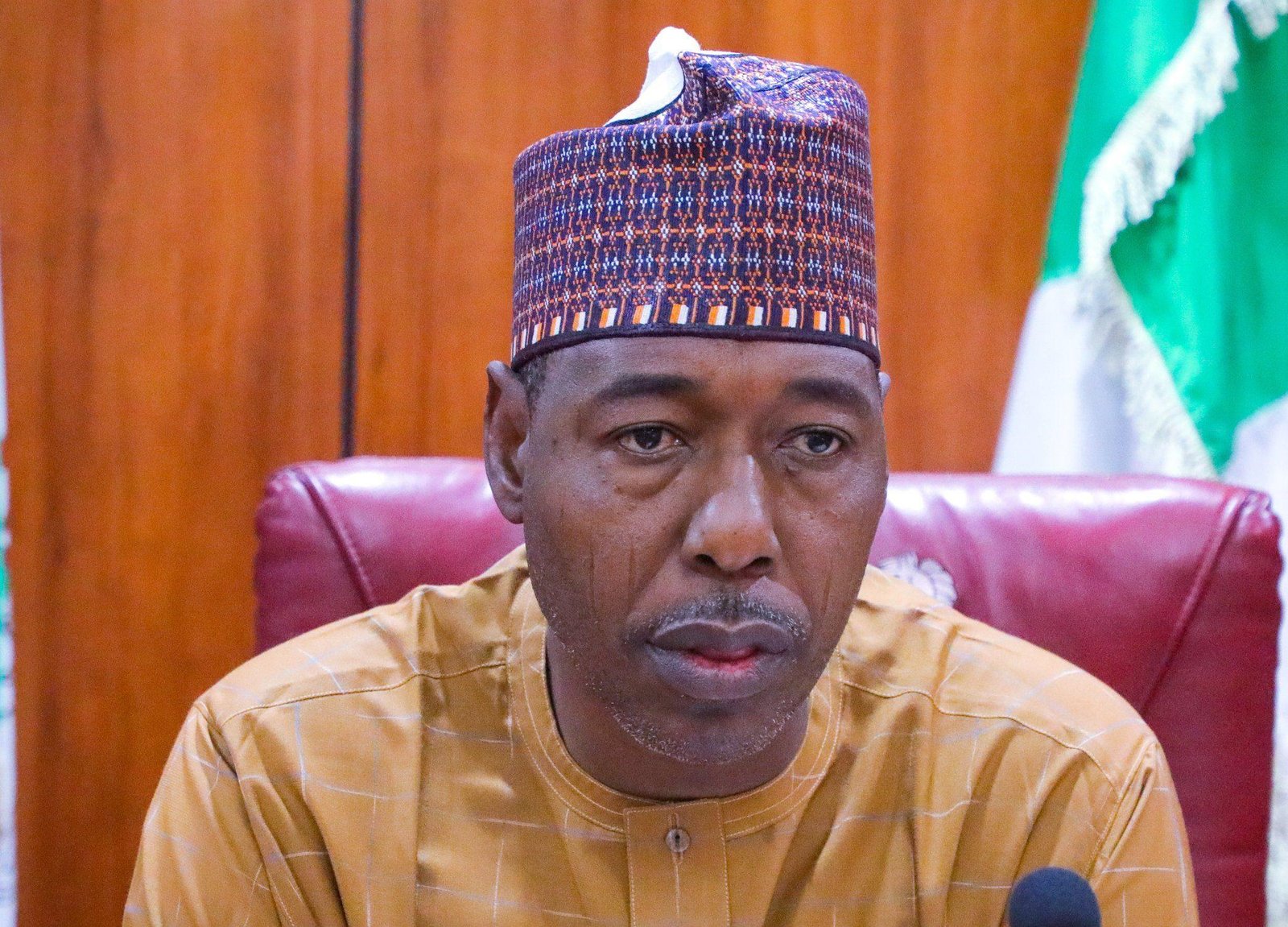
Borno State Governor, Professor Babagana Umara Zulum, has strongly opposed plans by the Nigerian National Petroleum Company Limited (NNPCL) to relocate critical oil exploration equipment from Borno State, insisting that the state has made considerable progress in security and should not be treated as an unsuitable location for strategic national energy projects.
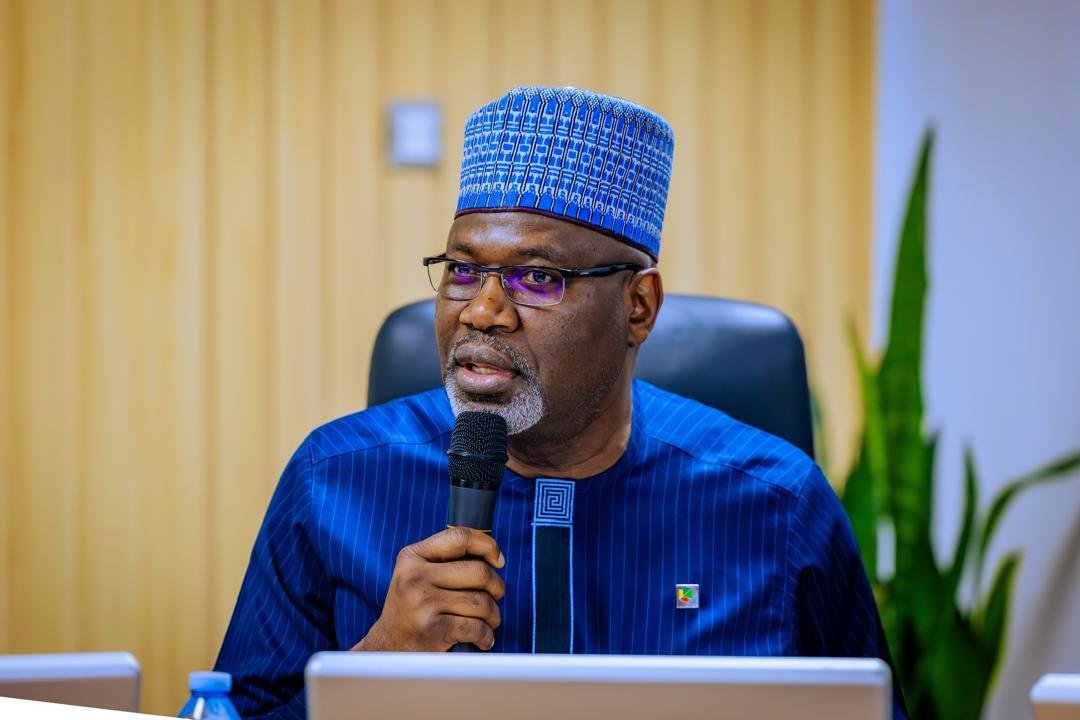
The governor expressed his dissatisfaction during a meeting with the chairman of the NNPCL Board, Engineer Ahmadu Musa Kida, and other senior officials of the national oil company in Maiduguri. The meeting brought renewed attention to the long-running search for commercially viable petroleum resources in the Chad Basin and the economic future of Nigeria’s North-East.
Zulum questioned the justification for moving equipment originally deployed for exploration activities in Borno to other locations, particularly when the state government believes that sufficient security arrangements and local technical capabilities are available to support the operations.
His comments have generated renewed public interest in the future of oil exploration in Borno, a state that has experienced years of insecurity but continues to pursue economic recovery, reconstruction and investment opportunities.
The disagreement is significant because the Chad Basin exploration project represents more than an oil search. For Borno residents, it is associated with the possibility of new employment opportunities, infrastructure development, industrial growth and a stronger economic foundation for a region that has faced substantial development challenges.
Zulum Questions Why NNPC Equipment Should Leave Borno
During the meeting, Governor Zulum expressed concern over what he described as attempts to move important exploration machinery away from Borno without adequate consultation with the state government.
According to reports, the governor said the state was initially worried when it received information that equipment might be transferred elsewhere for safekeeping. He also referred to reports that some machinery could be moved to Taraba State for repairs.
Zulum questioned why Borno should be considered less suitable for keeping or maintaining the equipment, particularly given the security arrangements that have been established around the exploration locations.
He was quoted as saying:
“We were so much worried at the beginning when we were told that the equipment should be taken somewhere else for safekeeping.”
The governor also questioned the assumption that another location would necessarily offer better security than Maiduguri.
He further argued that the state possesses the technical capacity to handle certain equipment repairs locally, rather than automatically transferring machinery outside Borno.
His position reflects a broader concern about the need for meaningful consultation between federal institutions, national companies and state governments when decisions affect major development projects.
For Zulum, keeping the equipment in Borno is connected to maintaining the state’s participation in a project that could have long-term implications for its economic development.
Security Concerns and the State Government’s Position
Security remains one of the most important considerations surrounding petroleum exploration in the North-East.
Borno State has experienced years of insurgency and violent attacks, particularly in rural communities and areas affected by the activities of Boko Haram and Islamic State West Africa Province.
These challenges have affected agriculture, transportation, education, commercial activities and investment across the state.
However, Governor Zulum maintains that the security situation around the exploration operations has improved sufficiently to support the continuation of field activities.
During his engagement with NNPCL officials, the governor stated that the state government had provided security support for the exploration locations.
He identified the involvement of military personnel, police officers, members of the Civilian Joint Task Force, local hunters and vigilantes in protecting the equipment and operational areas.
According to the governor, these arrangements were designed to protect the company’s assets and enable exploration activities to continue.
He also argued that previous interruptions to operations were administrative rather than necessarily the result of new security incidents at the exploration sites.
The governor’s position is that security concerns should be addressed through cooperation, proper risk assessments and appropriate protection arrangements instead of automatically removing equipment from the state.
Nevertheless, the security situation must continue to be assessed independently by relevant authorities. Borno’s progress should not be interpreted as meaning that every exploration location is entirely free from security risks.
The safety of employees, contractors, surrounding communities and expensive industrial equipment must remain a priority for both the state government and NNPCL.
Why the Chad Basin Matters to Borno State
The Chad Basin is one of Nigeria’s important geological areas for petroleum exploration.
Located in the country’s North-East, the basin extends across a region that has attracted the attention of government authorities and energy companies because of its geological potential.
For Borno State, the exploration programme is particularly significant because it could open new economic opportunities beyond the traditional sectors that have historically supported the region.
Agriculture, livestock production, trade and small-scale businesses remain important to the livelihoods of many residents.
However, the discovery and development of commercially viable petroleum resources could introduce additional economic activities and create opportunities for investment in supporting industries.
The Chad Basin’s geographical position also gives it regional importance.
Borno shares international borders with Chad, Niger and Cameroon, making it strategically positioned for cross-border commerce and regional economic relationships.
Governor Zulum has repeatedly highlighted this geographical advantage, arguing that successful petroleum development could help transform the North-East into a more important commercial centre connecting parts of West and Central Africa.
However, it is important to distinguish between geological potential and confirmed commercial reserves. Exploration is an investigative process, and the presence of promising geological structures does not automatically mean that profitable quantities of oil or gas have been established.
The economic benefits being discussed therefore remain dependent on successful exploration, commercial discoveries, investment decisions and the development of the necessary infrastructure.
The History of Oil Exploration in Borno
Oil exploration in the Chad Basin has been part of Nigeria’s wider efforts to identify additional petroleum resources outside the established producing areas of the Niger Delta.
The Nigerian government and its petroleum institutions have undertaken exploration activities in different parts of the country as part of a strategy to expand national hydrocarbon resources.
In Borno, one of the notable milestones came in May 2023, when drilling activities were officially flagged off at the Wadi-B well in the Tuba community of Jere Local Government Area.
The development attracted attention because it represented a major step in the state’s long-standing ambition to participate in Nigeria’s petroleum industry.
The project also generated expectations among residents, political leaders, business owners and other stakeholders who hoped that successful exploration could introduce a new source of economic activity.
However, petroleum exploration is a long-term technical process.
Companies must conduct geological studies, seismic investigations, drilling operations, laboratory assessments and commercial evaluations before determining whether a discovery can be developed profitably.
Such projects require substantial financial resources, specialised machinery, skilled professionals and a reliable operational environment.
Consequently, maintaining the equipment and ensuring that exploration activities continue are important issues for the project’s future.
The governor’s latest objection to the proposed relocation has therefore brought renewed attention to the importance of maintaining operational continuity in Borno.
NNPC’s Position and Commitment to Resume Exploration
While Governor Zulum has questioned the proposed movement of equipment, the engagement between the Borno State Government and NNPCL has also produced an important development.
Following the meeting in Maiduguri on October 28, 2026, the national oil company reaffirmed its commitment to resuming oil exploration activities in the state.
The company’s leadership, represented by Board Chairman Ahmadu Musa Kida and senior management officials, gave assurances that efforts would be made to advance the exploration programme.
The Federal Ministry of Information and National Orientation also reported that the meeting focused on the resumption of exploration and wider energy development in Borno.
The commitment is significant because it suggests that discussions between the state government and the national oil company are not limited to disagreements over equipment movement.
Both sides have an interest in creating conditions that will allow the exploration programme to progress.
NNPCL’s management also acknowledged improvements in Maiduguri’s security environment, according to reports of the meeting.
This acknowledgement could help strengthen confidence among potential investors and contractors interested in participating in future operations.
However, the practical implementation of the company’s commitment will be important.
Residents will want to see clear operational timelines, visible field activities, transparent communication and measurable progress rather than announcements alone.
A successful resumption will require coordination between NNPCL, the Federal Government, the Borno State Government, security agencies and communities in the affected areas.
Economic Opportunities for Borno’s Young Population
One of the strongest arguments for continued oil exploration in Borno is the possibility of creating employment opportunities.
Borno has a large population of young people who need access to education, vocational training, sustainable employment and opportunities to establish businesses.
The development of a petroleum industry could create different categories of jobs, depending on the success and scale of future operations.
These may include opportunities for engineers, geologists, technicians, security professionals, drivers, logistics workers, equipment operators and administrative personnel.
There could also be indirect opportunities for local businesses supplying food, transportation, accommodation, construction materials, maintenance services and other operational requirements.
Small and medium-sized enterprises could benefit if the exploration programme creates consistent demand for goods and services.
For example, local transport companies could provide logistics support, construction firms could participate in infrastructure development, and technical workshops could potentially offer maintenance services where they meet the required industry standards.
However, these benefits will not happen automatically.
The state government and NNPCL would need to develop policies that encourage local participation while maintaining professional standards, safety requirements and transparency.
A structured local content programme could help ensure that qualified residents and businesses are not excluded from opportunities created by petroleum exploration.
Training programmes would also be necessary to prepare young people for technical and professional roles within the energy sector.
For Borno residents, the most meaningful measure of success will not simply be the presence of oil exploration machinery. It will be whether the project creates sustainable opportunities that improve people’s lives.
Could Oil Exploration Transform Maiduguri Into a Regional Commercial Centre?
Governor Zulum has expressed optimism that commercially successful petroleum development in the Chad Basin could help transform the North-East into a major commercial hub.
This ambition is connected to Borno’s strategic location and its potential to serve as a link between Nigeria and neighbouring countries.
Maiduguri already plays an important role in trade and transportation within the region.
With improved infrastructure, reliable electricity, stronger security and increased private investment, the city could attract additional commercial activities.
A successful oil and gas industry could support the development of engineering services, transportation networks, storage facilities, industrial workshops and other supporting businesses.
The benefits could also extend beyond Borno to neighbouring states such as Yobe, Adamawa and Gombe.
Cross-border trade opportunities involving Chad, Niger and Cameroon could expand if regional infrastructure and economic cooperation improve.
However, the development of a regional commercial centre requires more than petroleum discoveries.
Road networks, electricity, water supply, telecommunications, education, healthcare and a stable business environment are all necessary.
The state must also ensure that communities affected by exploration receive appropriate attention and that environmental protection remains central to development decisions.
Oil wealth alone cannot guarantee prosperity. Its benefits depend on how effectively resources are managed and converted into opportunities for the wider population.
The Environmental Questions That Must Not Be Ignored
As Borno pursues petroleum exploration, environmental responsibility must remain a central part of the conversation.
The Chad Basin is an environmentally important region, and the wider Lake Chad area supports communities that depend on agriculture, fishing, livestock and water resources.
Any future commercial petroleum development must therefore be accompanied by strong environmental safeguards.
Oil exploration and production can create risks involving land disturbance, waste management, groundwater contamination and damage to surrounding ecosystems if activities are not properly regulated.
The possibility of environmental harm is particularly important in communities where access to clean water and productive agricultural land is essential for survival.
Before large-scale commercial operations begin, relevant authorities must ensure that environmental impact assessments are properly conducted and that companies comply with applicable regulations.
Communities should also be informed about potential risks, compensation arrangements, emergency procedures and mechanisms for reporting environmental concerns.
The goal should be to develop natural resources without sacrificing the environmental conditions that support the livelihoods of residents.
For Borno, responsible petroleum development must mean economic progress alongside environmental protection.
Maiduguri Emergency Power Plant Also Features in the Discussions
Another important issue raised during the October 28 meeting was the delayed upgrade of the Maiduguri Emergency Power Plant.
Governor Zulum reportedly expressed dissatisfaction with the slow progress of the project, noting that necessary materials had been available at the site for approximately two years.
The governor urged NNPCL management to intervene and address the obstacles preventing the completion of the upgrade.
The emergency power plant is important because electricity remains one of the major requirements for economic activity in Maiduguri and its surrounding communities.
Households depend on electricity for lighting, refrigeration, communication and other daily activities.
Businesses also need reliable power to operate equipment, preserve goods, provide services and remain competitive.
For manufacturers and small-scale enterprises, electricity shortages can increase operating costs and limit production.
Improving the emergency power facility could therefore support economic activity across different sectors.
The discussion is particularly relevant to the proposed petroleum exploration programme because energy infrastructure and industrial development are closely connected.
A region seeking to attract major investments must demonstrate that it can provide the basic infrastructure required for sustainable commercial operations.
The governor’s intervention indicates that the Borno State Government expects NNPCL to deliver results not only in petroleum exploration but also in energy infrastructure projects that directly affect residents.
What Borno Residents Should Expect Next
Following the latest meeting, attention will now turn to the practical steps required to fulfil the commitments made by NNPCL.
Residents, business owners and development stakeholders will be watching for several developments.
First, there should be greater clarity regarding the future of the exploration equipment currently deployed in Borno.
If any equipment requires maintenance or relocation for technical reasons, the company should communicate its plans transparently and explain how such decisions affect the project’s timeline.
Second, NNPCL should provide clearer information about when field operations will resume and what activities are expected to take place.
Third, security arrangements must remain effective, with proper coordination between the company and relevant security agencies.
Fourth, local communities should be involved in discussions about the project, particularly where exploration activities may affect land use, livelihoods or access to natural resources.
Finally, the state and federal governments should encourage local training, business participation and infrastructure development to ensure that the potential benefits of exploration are not restricted to external contractors.
These measures would help strengthen public confidence and demonstrate that the project is being managed as a long-term development opportunity.
A Bigger Question: Can Borno Convert Natural Resources Into Lasting Prosperity?
The debate over the relocation of NNPCL exploration equipment raises a bigger question about the future economic direction of Borno State.
For years, the state has worked to address the consequences of insecurity while rebuilding communities, supporting displaced residents and restoring economic activities.
Agriculture remains essential, while education, trade, transportation, healthcare and small businesses are all important to the state’s recovery.
Petroleum exploration could introduce another dimension to this development strategy.
However, the discovery of oil or gas should not become a substitute for investing in other productive sectors.
A balanced economy needs several sources of employment and revenue.
The agricultural sector, for example, must continue receiving attention because it supports millions of livelihoods across the wider region.
Similarly, investment in education and vocational training will determine whether young people can benefit from emerging industries.
The state must also encourage private businesses to invest in manufacturing, logistics, renewable energy, hospitality and technology.
If petroleum exploration eventually produces commercially viable discoveries, its revenues and opportunities should complement these other sectors.
The ultimate objective should be to create an economy capable of providing sustainable livelihoods, attracting investment and improving living standards.
Conclusion: Borno Wants Its Oil Exploration Future Protected
Governor Babagana Zulum’s rejection of plans to relocate NNPCL exploration equipment from Borno has placed the future of the Chad Basin project back in the national conversation.
His message is clear: Borno wants to remain an active participant in a project that could have major implications for its economic future.
The governor’s concerns about equipment movement, local technical capacity and security arrangements reflect the state’s desire to maintain momentum in petroleum exploration.
Meanwhile, NNPCL’s renewed commitment to resume exploration provides an opportunity for both sides to strengthen cooperation and move beyond disagreements.
For residents of Maiduguri and other communities across Borno, the real test will be whether these commitments translate into visible progress.
The state needs more than promises of oil wealth. It needs jobs, reliable electricity, infrastructure, investment, improved livelihoods and opportunities for its growing population.
Whether the Chad Basin eventually becomes a major petroleum-producing region remains to be established through further exploration and commercial assessments.
But one thing is certain: Borno’s interest in the project is strong, and its leaders want the state’s development ambitions to remain firmly on the national agenda.
TrendPeels will continue following developments surrounding the Chad Basin exploration project, NNPCL’s commitments and the economic future of Borno State.