

Nigeria’s Federal Government has confirmed an imported case of Bundibugyo Ebola virus disease in the Federal Capital Territory (FCT), Abuja, triggering an intensified public health response aimed at preventing further transmission.
The Federal Ministry of Health and Social Welfare announced on Tuesday, October 20, 2026, that laboratory testing had confirmed the infection in a woman with a recent travel history involving Uganda. The patient had received treatment at a private health facility in Abuja before the diagnosis was established. She was subsequently placed in isolation and was receiving medical care, according to the ministry.
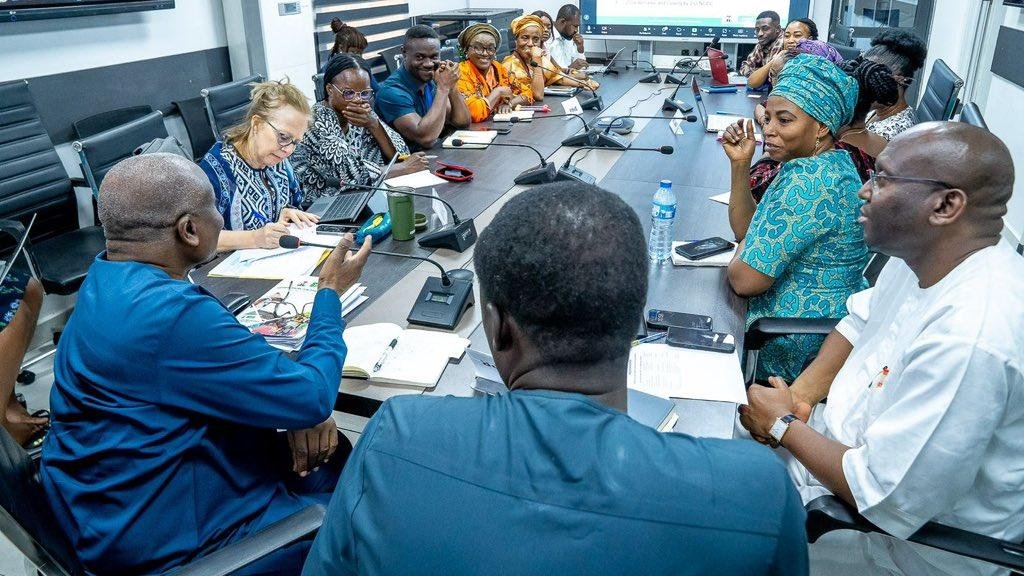
As part of the response, authorities reported identifying 44 people who may have been exposed to the patient. Public health teams began monitoring these contacts while investigating the circumstances surrounding the case and working to determine whether anyone else might have been exposed.
The confirmation has brought renewed attention to Nigeria’s disease-surveillance systems, hospital preparedness, border health checks and the importance of promptly recognising symptoms that could be associated with Ebola.
Although the disease is serious, health authorities have urged the public to remain calm, follow official advice and avoid spreading unverified information. The immediate priority is to identify possible exposures, monitor people who may be at risk and prevent further infections.
For Nigerians, the announcement raises practical questions: What exactly is Bundibugyo Ebola virus disease? Does identifying 44 contacts mean the virus has spread widely in Abuja? How is the infection transmitted, and what should people do if they develop possible symptoms?
Understanding the facts is essential to responding responsibly.
What is confirmed so far: Nigeria has reported one laboratory-confirmed imported case, the patient is receiving care in isolation, and 44 contacts had been identified for monitoring in official reports dated October 20–21. The number of contacts should not be confused with the number of confirmed infections.
What Happened in Abuja?

According to the World Health Organization (WHO), the patient is a woman whose symptoms began on October 7, four days after her arrival in Nigeria. She sought care at a private health facility in Abuja on October 11, and laboratory testing confirmed Bundibugyo virus infection on October 20. She remained in isolation while receiving medical care, according to the agency’s October 20 reports
The government described the case as imported, meaning the infection was associated with exposure outside Nigeria rather than a confirmed chain of transmission originating within the country.
However, the patient’s complete travel and exposure history was still being investigated. Her travel history involving Uganda does not, by itself, establish where she acquired the infection. The WHO said investigations were ongoing to establish the likely source and reconstruct her movements and possible exposures.
The distinction is important because international travel can involve several destinations, stopovers and opportunities for exposure. Determining where an infection originated requires a detailed investigation rather than assumptions based solely on a traveller’s itinerary.
Health authorities have been working with the Nigeria Centre for Disease Control and Prevention (NCDC), the FCT health authorities, the WHO and other partners to coordinate surveillance, clinical care, testing and contact tracing.
These measures are intended to establish whether anyone else has been infected and to limit the chance of the virus spreading further.
Why Are Authorities Tracking 44 Contacts?
Contact tracing is one of the most important tools public health officials use to control infectious disease outbreaks.
After confirming an infection, investigators work to identify people who had contact with the patient during a period when exposure might have occurred. Depending on the circumstances, this may involve healthcare workers, other patients, caregivers, household members and people who travelled with the infected individual.
Nigeria’s Federal Ministry of Health reported that 44 close contacts had been identified after the Abuja case was confirmed. The government said surveillance had been intensified and that the private hospital where the patient received care was receiving support to strengthen infection prevention and control.
Identifying contacts does not mean that all 44 people are infected. It means authorities have identified people whose possible exposure needs to be assessed and followed up.
Public health teams can use contact tracing to determine who may need monitoring, testing or other measures based on the nature and timing of their exposure. They can also identify further people who might have had relevant contact with the patient.
The process generally involves speaking with the patient where possible, reviewing travel and healthcare records, identifying people who may have been exposed and maintaining contact with those individuals during the monitoring period.
Anyone directed by health authorities to undergo monitoring or quarantine should follow those instructions. The minister’s public comments, reported by Voice of Nigeria on October 21, said identified contacts would be monitored and that people instructed to quarantine must comply with public health guidance.
The key point for the public is that 44 contacts represent the scope of the tracing effort reported at that time, not 44 additional Ebola cases.
What Is Bundibugyo Ebola Virus Disease?
Bundibugyo virus disease is a severe illness caused by Bundibugyo virus, one of the viruses in the Ebola virus group.
The disease was first identified during an outbreak in Uganda’s Bundibugyo District in 2007–2008. It is distinct from the Ebola virus species responsible for the major 2014–2016 West African outbreak, although both can cause severe illness.
WHO identifies Bundibugyo virus as one of three Ebola virus species known to have caused large outbreaks. It also notes that approved vaccines and specific treatments are available for only one of the Ebola diseases; there is no approved vaccine or treatment for Bundibugyo virus disease at the time of its general guidance. Supportive medical care, including rehydration and treatment of complications, can improve the chances of survival
This distinction matters because the word “Ebola” is often used broadly in public discussion, even though different viruses within the group can require different medical countermeasures.
The current case in Abuja is associated with the Bundibugyo strain. It is therefore important for readers to follow updates specifically about this strain instead of assuming that vaccines or treatments developed for another Ebola virus automatically apply.
Public health officials and clinicians will determine appropriate care using established medical protocols, laboratory findings and specialist guidance.
The confirmation of one case is serious and requires a coordinated response. It does not, by itself, establish that a widespread outbreak is occurring in Abuja.
How Does Ebola Spread?
Understanding how the disease spreads can help people take appropriate precautions without becoming unnecessarily frightened.
According to WHO, Ebola viruses can enter the human population through contact with infected animals and can spread between people through direct contact with the blood or other body fluids of someone who is sick with the disease or has died from it. Transmission can also occur through objects and surfaces contaminated with infectious body fluids.
This is why healthcare workers caring for suspected or confirmed patients need proper protective equipment, infection-control procedures and appropriate training.
It is also why hospitals must manage potentially infectious materials carefully and ensure that staff know how to protect themselves and others.
Ebola should not be treated as if it spreads through every ordinary social interaction. WHO states that people cannot transmit the disease before they develop symptoms. Transmission risk is associated with exposure to an infected person’s blood or body fluids and contaminated materials, rather than simply being in the same city or country
Nevertheless, people who may have been exposed should not attempt to assess their risk solely by reading descriptions online. They should follow instructions from qualified health professionals and public health authorities.
Symptoms Nigerians Should Know

Recognising symptoms early is important because Ebola can initially resemble other illnesses common in Nigeria.
WHO says the incubation period—the time between infection and the appearance of symptoms—ranges from two to 21 days. Symptoms may begin suddenly with fever, fatigue, muscle pain, headache and sore throat. Other symptoms can include vomiting, diarrhoea, abdominal pain and rash, with possible impairment of kidney and liver function. Bleeding may occur in some patients, but WHO notes that it is less frequent than many people assume.
The Nigerian health minister also urged vigilance for symptoms such as fever, headache, nausea, vomiting, body aches and severe muscle pains
These symptoms are not unique to Ebola. Malaria, typhoid and other infections can produce similar early signs. That makes a person’s clinical assessment and exposure history important, particularly for someone who has recently travelled to an area affected by an Ebola outbreak or had contact with a suspected or confirmed case. WHO specifically notes that Ebola can be difficult to distinguish from other infectious diseases based on symptoms alone.
Nigerians should not assume that every fever is Ebola. Equally, people who may have been exposed should not dismiss concerning symptoms or delay seeking professional guidance.
Anyone who believes they may have had a relevant exposure and develops compatible symptoms should contact public health authorities or a healthcare professional promptly, explain the exposure and follow instructions on how to obtain assessment safely. They should avoid unnecessary close contact with others while awaiting guidance.
Early reporting helps health workers make informed decisions and can reduce the risk of exposing other people if an infection is suspected.
What Should the Public Do Now?
Health authorities have encouraged Nigerians to remain vigilant, observe basic hygiene and cooperate with official disease-control efforts.
The following steps are consistent with established Ebola prevention guidance:
Follow verified public health updates. Use announcements from the Federal Ministry of Health and Social Welfare, the NCDC, the FCT health authorities and WHO. Viral posts without a credible source should not be treated as confirmed information.
Practise good hand hygiene. Wash hands regularly with soap and water, particularly after using the toilet, before eating and after contact with potentially contaminated materials. Follow local public health instructions about additional precautions.
Avoid contact with blood and other body fluids from a person who is sick or has died. Do not handle potentially contaminated materials without appropriate training and protection.
Seek medical advice when relevant symptoms or exposure occur. Give healthcare professionals accurate information about recent travel and any known contact with a suspected or confirmed case.
Cooperate with contact tracers. People approached by authorised public health teams should answer questions accurately and follow any instructions about monitoring, testing or quarantine.
Do not spread unverified accusations or disclose private patient details. Sharing an unconfirmed name, photograph or location can cause harm and interfere with a public health response.
These steps reflect the preventive measures highlighted by Nigerian authorities and WHO, including contact tracing, infection prevention and control, surveillance and community engagement.
Is Abuja Facing a Widespread Ebola Outbreak?
The available official reports confirm one imported case as of October 20 and describe efforts to trace and monitor contacts. They do not establish widespread community transmission in Abuja.
Nigeria’s health minister described the case as imported rather than evidence of community transmission in comments reported by Premium Times on October 20. The situation nevertheless required careful monitoring because investigators were still reconstructing the patient’s movements and exposure history.
A single imported case can demand a substantial public health response because officials need to establish whether the infection has spread to anyone else. The purpose of tracing contacts is precisely to answer that question as early as possible.
It would be premature to declare the matter fully contained before authorities provide further evidence. It would also be inaccurate to describe all identified contacts as infected or claim that Abuja is experiencing widespread transmission without supporting data.
The most responsible interpretation is that Nigeria has confirmed an imported case and is taking measures to prevent additional infections. The public should pay attention to official updates about further confirmed cases, the monitoring of contacts and any changes in the risk assessment.
Nigeria’s Preparedness and the Lessons of 2014
Nigeria has dealt with Ebola before. During the 2014 West African outbreak, a traveller introduced the infection into Lagos, prompting an emergency response involving healthcare workers, public health investigators and contact-tracing teams.
Nigeria eventually contained that outbreak through the identification and monitoring of exposed individuals, isolation of patients, infection prevention and public cooperation. The experience remains an important reference point for the country’s current response.
The government has said Nigeria’s earlier experience, trained personnel and strengthened disease-surveillance arrangements are valuable resources in the present situation. Health authorities have also activated the NCDC’s incident management system to coordinate the response.
However, experience does not eliminate the need for continued vigilance. Each outbreak can present different operational challenges, depending on the virus involved, the speed of diagnosis, the number of people exposed and the availability of clinical resources.
One important lesson is the need for hospitals to consider relevant travel and exposure histories when assessing patients with severe or unexplained symptoms. WHO notes that early Ebola symptoms can resemble other diseases, which can make laboratory testing and careful clinical investigation especially important.
Protecting healthcare workers is equally important. Staff who recognise the possibility of infection early can follow the correct procedures, seek specialist support and reduce the likelihood of further exposure inside healthcare facilities.
Africa CDC Calls Emergency Meeting
The case in Nigeria comes amid a wider Bundibugyo Ebola outbreak that began in the Democratic Republic of the Congo in May 2026.
On October 21, the Associated Press reported that the Africa Centres for Disease Control and Prevention had invited African health ministers to an extraordinary virtual meeting scheduled for October 28. Africa CDC Director-General Jean Kaseya said the meeting was intended to strengthen the collective response to the spreading outbreak.
The meeting reflects concern about the outbreak’s international reach and the importance of coordination between governments.
An outbreak that involves travel across borders requires countries to exchange information, maintain surveillance, prepare healthcare facilities and communicate clearly with the public. No single country can manage a regional public health threat effectively without cooperation from its neighbours and international partners.
For Nigeria, coordination with WHO, Africa CDC and national and state health authorities can help support laboratory capacity, protective equipment, trained response teams and the exchange of technical information. WHO says these measures are important to detect cases rapidly, protect healthcare workers and prevent onward transmission.
The October 28 meeting will take place in the wider context of these regional concerns. Its significance for Nigeria will depend on the measures agreed upon and the way participating countries implement them.
Avoiding Panic and Misinformation
The announcement of an Ebola case can generate anxiety, especially because the disease is associated with severe illness and previous deadly outbreaks.
But public fear is not a substitute for reliable information. False claims about how the disease spreads, unverified reports of additional cases or the circulation of private medical details can undermine trust and complicate efforts to control transmission.
For example, the identification of 44 contacts should not be reported as 44 new cases. Likewise, a person who has travelled through a country associated with an outbreak should not automatically be described as having contracted the virus there.
The patient’s exact exposure history remains a matter for public health investigators, and the number of people confirmed to have Ebola must be distinguished from the number of individuals being monitored.
News organisations and social media users have an important responsibility in this situation. Headlines should reflect confirmed facts, images should not falsely suggest that an unrelated patient has Ebola, and speculative claims should be labelled clearly or excluded.
Members of the public should check the date and source of alarming messages before forwarding them. Old photographs and videos from previous outbreaks may be recirculated as if they show events in Abuja, even when they have no connection to the current case.
People who need information or suspect a possible exposure should use recognised public health channels rather than rely on unverified social media advice.
WHO has also advised against restrictions on travel to or trade with affected countries solely because of this event, while continuing to monitor the evolving situation.
What Happens Next?
In the immediate term, health authorities will need to continue monitoring identified contacts, reconstruct the patient’s movements and exposure history, reinforce infection prevention measures and share verified updates as investigations progress.
The public will need clear information about whether new cases emerge, whether contacts develop symptoms, and what the government determines about the source and extent of the infection.
It will also be important for healthcare facilities to remain alert to possible symptoms, especially when patients have a relevant exposure or travel history.
For now, the confirmed information remains limited: one imported case was reported in Abuja on October 20, and 44 contacts had been identified in official reporting the following day. The patient’s isolation and the tracing effort are key parts of the response, but continued monitoring is necessary before wider conclusions can be drawn.
Nigeria’s ability to prevent further transmission will depend on rapid investigation, safe clinical care, cooperation with contact tracing and accurate public communication.
The right response is neither panic nor complacency. Nigerians should remain informed, follow guidance from recognised health authorities and seek appropriate medical advice when needed.
TrendPeels will update this report as further verified information becomes available from the Federal Ministry of Health and Social Welfare, NCDC, WHO and Africa CDC.
Hi,
I just visited trendpeels.com and wondered if you’ve ever considered an impactful video to advertise your business? Our videos can generate impressive results on both your website and across social media.
Our prices start from just $195 (USD).
Let me know if you’re interested in seeing samples of our previous work.
Regards,
Joanna